
Did you know couscous is a big deal in North African food? It cooks in about 15 minutes. This dish is super versatile and can be made in many ways. It’s perfect for adding to your meal plans.
You can find lots of easy couscous recipes online. There are even healthy options that use fresh herbs and spices. For inspiration, check out couscous recipe websites.
Key Takeaways
- Couscous is a versatile and easy-to-cook dish made from semolina flour.
- A simple couscous recipe can be prepared with a 1:1 liquid to couscous ratio.
- Couscous is high in B vitamins and selenium, making it a nutritious addition to your meals.
- You can find various easy couscous recipe options, including healthy couscous recipe ideas.
- Couscous can be served as a side dish or added to salads for a nutritious meal.
- Cooking time for couscous is approximately 15 minutes, making it a quick and easy option.
- Couscous is made from semolina flour derived from Middle Eastern durum wheat, which is high in protein.
Understanding Couscous: Types and Varieties
Couscous is a key dish in North African cuisine, with many types to try. You can choose from Moroccan, Israeli, and whole wheat couscous. Moroccan couscous is steamed over a flavorful broth, making it light and fluffy.
Israeli couscous, or pearl couscous, is bigger and chewier than Moroccan. It’s great in salads and pilafs and cooks in 10 to 15 minutes. Whole wheat couscous has a nuttier taste and more fiber, perfect for those watching their health.

Each couscous type has its own cooking time and texture. Moroccan couscous cooks fast, in just five minutes. Israeli couscous takes 10 to 15 minutes, while whole wheat may need a bit longer. Knowing these differences helps you pick the best couscous for your dish.
Whether you love the classic Moroccan taste or prefer the nutty whole wheat, there’s a couscous for everyone. Couscous is versatile and easy to make, adding variety to any meal. Try an Israeli couscous salad or a whole wheat side dish for a tasty twist.
Essential Equipment for Preparing Perfect Couscous
To make a simple couscous recipe, you need the right tools. You’ll need a medium saucepan, a fork, and a lid. These items help you get the perfect texture and flavor every time.
For a homemade couscous recipe, use a saucepan that holds about 4 cups of water. This size is key to cooking the couscous just right.
Here are the key pieces of equipment you’ll need:
- A medium saucepan with a lid
- A fork for fluffing the couscous
- Measuring cups and spoons
You can find these items at most kitchen supply stores or online. When shopping for a saucepan, look for one that is made of a durable material, such as stainless steel or ceramic. Also, choose one with a heavy bottom to prevent scorching.
Using the right equipment makes a big difference in your couscous quality. With a simple couscous recipe and the right tools, you can create a delicious dish for any occasion. For more information on cooking techniques, you can visit veganbatter.com to learn about different recipes and methods.
By investing in the right equipment and following a homemade couscous recipe, you’ll make a healthy and delicious dish. So why not give it a try and see the difference for yourself? With a little practice, you’ll be making perfect couscous like a pro!
Basic Couscous Recipe: Master the Fundamentals
To make the best couscous, knowing the basics is key. A simple recipe uses the right water-to-couscous ratio. Aim for 1 cup of couscous to 1.25 cups of liquid. Using chicken or vegetable broth adds flavor.
For authentic results, use top-quality ingredients and traditional cooking methods. This ensures your couscous turns out right.
There are two ways to cook couscous: steaming or absorption. Steaming uses a basket over boiling water. Absorption adds couscous directly to boiling water. Both ways work well, but absorption is quicker and simpler.
Perfect Water-to-Couscous Ratio
Getting the water-to-couscous ratio right is crucial. A good starting point is 1 cup couscous to 1.25 cups liquid. You can tweak this to your liking, but this ratio is a good base. For a quicker couscous, try a 1:1 ratio, but it might be denser.
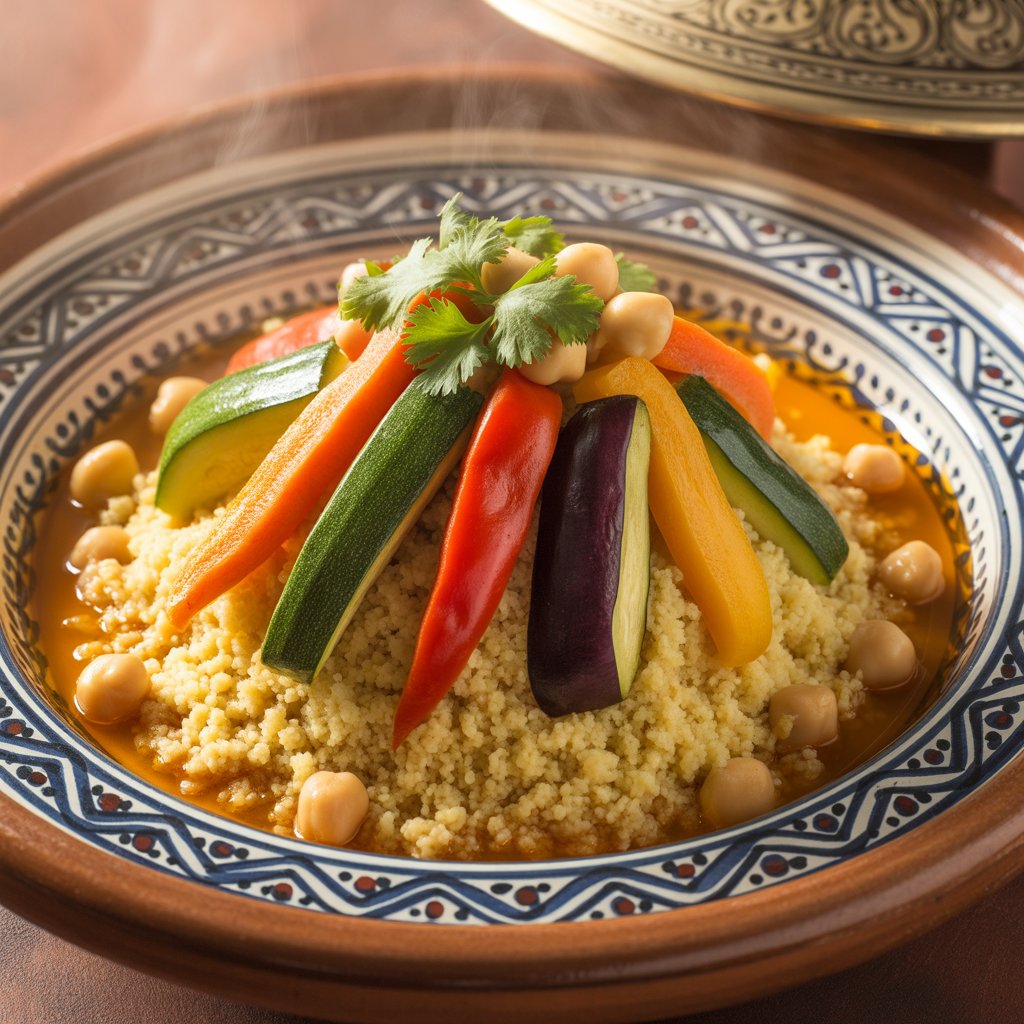
Steaming vs. Absorption Method
Steaming is great for a light, fluffy couscous. It cooks evenly with steam. The absorption method cooks by soaking up liquid. Both methods yield tasty results, depending on what you prefer.
For authentic couscous, use traditional ingredients and methods. Add flavor with broth and aromatics like onions and garlic. A quick gravy recipe can also enhance your couscous. With these tips and the right ingredients, you’ll make a dish that impresses everyone.
Flavoring Your Couscous: Herbs, Spices, and Aromatics
Flavoring your couscous is a fun adventure. You can go for a Mediterranean couscous recipe with herbs like parsley, basil, and oregano. Or, add some spice with cumin and coriander. For a vegetarian couscous recipe, garlic and onion can add a rich taste.
A simple easy couscous recipe starts with sautéed onions and garlic. Then, add your couscous and liquid. Don’t forget dried herbs like thyme and rosemary for a savory touch. Here are some tips to flavor your couscous:
- Use a mix of herbs and spices for a unique taste.
- Garlic and onion add depth to your couscous.
- Try different liquids like broth or stock for extra flavor.
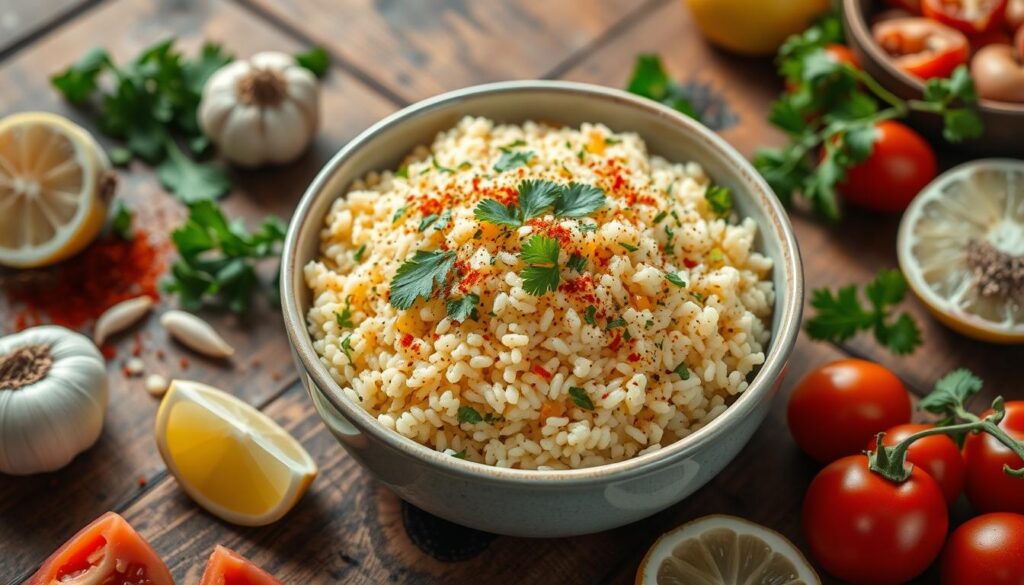
With these tips, you can make a tasty Mediterranean couscous recipe for any event. Whether you’re after a vegetarian couscous recipe or an easy couscous recipe, experimenting with herbs, spices, and aromatics is key. Find the perfect mix that suits your taste.
| Ingredient | Quantity |
|---|---|
| Couscous | 1 cup |
| Water | 1.5 cups |
| Herbs and spices | to taste |
Mediterranean Couscous Variations
Exploring couscous reveals many tasty and healthy recipes. A simple recipe can become a nutritious meal with Mediterranean ingredients. For example, a couscous salad recipe can include pearl couscous, chickpeas, and grape tomatoes. It’s perfect for a light meal.
To make a Mediterranean couscous salad, cook pearl couscous as directed. Then, mix it with chopped veggies and chickpeas. A tangy vinaigrette adds flavor. This salad is a healthy and customizable option.
- 2 cups of pearl couscous
- 15 oz of canned chickpeas, drained and rinsed
- 14 oz of canned artichoke hearts
- 2 cups of grape tomatoes, halved
- 1/3 cup of finely chopped red onions
- 1/2 of a finely chopped English cucumber
- Fresh basil leaves, chopped (optional)
- Up to 3 oz of fresh baby mozzarella or feta cheese (optional)
This salad serves 6, with 187 calories, 30 grams of carbs, and 7 grams of protein. It’s quick to make and packed with nutrients. It’s a great way to add Mediterranean flavors to your meals.
Vegetarian Couscous Dishes for Every Season
Couscous is a versatile ingredient, perfect for many vegetarian couscous recipe options. It works well in both hearty winter stews and light summer salads. Its mild flavor and soft texture make it great with various vegetables, ideal for a healthy couscous recipe.
Couscous is excellent at soaking up flavors, making it a great base for your favorite spices and herbs. You can add warmth with cumin, coriander, and paprika, or keep it fresh with lemon juice and parsley. The possibilities are endless, allowing you to create delicious easy couscous recipe dishes for any season.
Here are some tips for a tasty healthy couscous recipe:
- Use colorful vegetables for visual appeal and nutrients.
- Try different spices and herbs to find your favorite flavors.
- Add heat with a diced jalapeno or red pepper flakes.
With these tips, you’ll soon be making delicious vegetarian couscous recipe options. Whether you want something hearty or light, couscous is a great choice. So, why not try it and see what amazing easy couscous recipe you can make?
| Season | Vegetarian Couscous Recipe Idea |
|---|---|
| Winter | Roasted vegetable couscous with butternut squash and kale |
| Spring | Spring vegetable couscous with asparagus and peas |
| Summer | Grilled vegetable couscous with zucchini and bell peppers |
| Autumn | Autumn vegetable couscous with sweet potatoes and Brussels sprouts |
Troubleshooting Common Couscous Cooking Problems
When making a best couscous recipe, knowing common cooking issues is key. One big problem is clumpy couscous. To fix this, just fluff the cooked couscous with a fork. This simple trick greatly improves your couscous’s texture.
To avoid mushy couscous, use the right amount of liquid. A 1-to-1 ratio is a good rule. Also, season the liquid with salt or herbs for extra flavor. But don’t overdo it, as too much seasoning can ruin the taste.
Here are some more tips for fixing common couscous problems:
- Use a traditional steaming method. Steam the couscous for 15 minutes, then fluff it with a fork. Repeat this two more times.
- Don’t overdo it with oil or butter. Too much can make the couscous wet.
- Use fresh herbs as a garnish. Tear them to keep the presentation and flavor better.
By following these tips, you can make a tasty and authentic couscous dish. Don’t be afraid to try new flavors and ingredients to find your favorite homemade couscous recipe.
| Couscous Type | Average Cook Time | Nutrition Information (per ¼ cup dry) |
|---|---|---|
| Moroccan Couscous | 5 minutes | Calories: 150, Protein: 6g, Fat: 0g |
| Pearl Couscous | 10 minutes | Calories: 160, Protein: 6g, Fat: 1g |
| Whole-Wheat Couscous | 15 minutes | Calories: 150, Protein: 6g, Fat: 0g, Fiber: 3g |
Storing and Reheating Couscous
To keep your simple couscous recipe fresh, store it right. You can refrigerate couscous for 3 to 5 days in an airtight container. Let it cool down to room temperature within 2 hours to stop bacteria growth.
Freezing is another option for up to 4 months. When you reheat, add a bit more water for the right texture. Reheat in the microwave for 1-2 minutes, stirring to heat evenly. Reheat couscous only once to avoid food poisoning.
Here are some tips for storing and reheating couscous:
- Store cooled couscous in an airtight container in the refrigerator for 3-4 days.
- Freeze couscous for up to 4 months.
- Reheat couscous with a splash of water or stock to prevent drying out.
Follow these tips to enjoy your healthy couscous recipe longer. For more cooking and storing tips, check out veganbatter.com. They offer great ideas for tasty, healthy meals.
Conclusion: Making Couscous Part of Your Regular Menu
Now that you’ve learned about couscous, it’s time to add it to your meals. We’ve shared the best couscous recipe and quick couscous recipe ideas. These will help you make this authentic couscous recipe a part of your cooking.
Couscous is great because it’s tasty, has good texture, and is healthy. It’s perfect for many dishes, from main courses to side salads. By learning the basics and trying new flavors, you’ll discover many tasty dishes.
Whether you’re an experienced cook or new to Mediterranean food, couscous is a great choice. It’s easy to cook and can be used in many meals. This makes couscous a healthy and tasty option for your meals.
F.A.Q
What types of couscous are available?
You can find different types of couscous. These include traditional Moroccan couscous, Israeli (pearl) couscous, and whole wheat couscous options.
What essential equipment is needed to prepare perfect couscous?
To make perfect couscous, you need a few things. You’ll need the right saucepan, a fork, and a lid. These tools help get the right texture and flavor.
How do I cook the perfect basic couscous?
Cooking basic couscous is easy. Just use the right water-to-couscous ratio. Choose between steaming or absorption methods. And remember to test for doneness.
How can I add flavor to my couscous?
Adding flavor to couscous is simple. Use herbs, spices, and aromatics. These ingredients make your couscous dishes delicious and flavorful.
What are some Mediterranean couscous variations I can try?
There are many Mediterranean couscous variations. Try a Greek-style couscous salad, Tunisian spiced couscous, or Lebanese couscous with pine nuts.
What are some delicious vegetarian couscous recipes?
Vegetarian couscous recipes are plentiful. They range from hearty winter dishes to light summer options. There’s something for every season.
How do I troubleshoot common couscous cooking problems?
Troubleshooting couscous issues is easy. For clumpy couscous, mushy texture, or imbalanced seasoning, follow the tips provided.
How should I store and reheat couscous?
To keep couscous perfect, store and reheat it correctly. Follow the recommended methods to maintain its texture and flavor.