
Did you know tamales have been around for over 8,000 years? They’re more than food; they’re a cultural tradition passed down through generations. Making delicious tamales is your first step into authentic Mexican cuisine.
Making tamales is a labor of love. It takes patience, skill, and a love for cultural cooking. From picking the right masa harina to making the fillings, each step is a story of family and tradition. You’ll see why tamales are a bridge to Mexican cooking heritage.
If you love cooking or want to try traditional Latin American dishes, this guide is for you. It will teach you how to make authentic Mexican tamales that will wow everyone.
Key Takeaways
- Tamales have a rich historical background dating back thousands of years
- Preparation requires dedication and typically takes two days
- Each tamal uses approximately 2 tablespoons of filling
- Cooking times vary between fresh and frozen tamales
- Tamales are often prepared during special cultural celebrations
Understanding Traditional Mexican Tamales
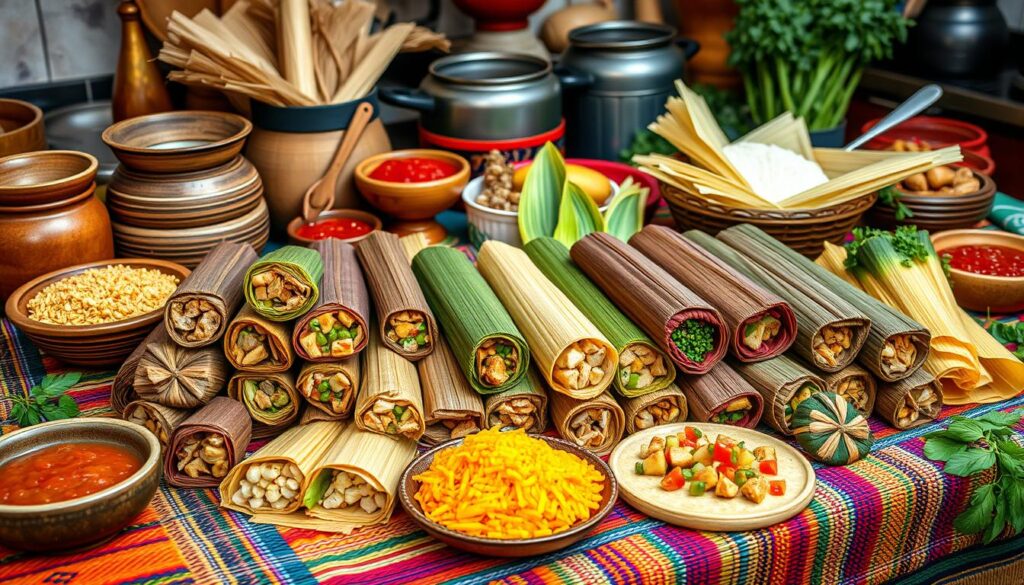
Tamales are a journey through Mesoamerican history. This dish has evolved over centuries, linking generations through its cultural value and tasty preparation. Exploring tamales means diving into a vibrant tradition that’s thousands of years old.
History and Cultural Significance
The tamale’s history goes back to the Aztecs and Maya. These ancient cultures made tamales as a food that could feed warriors and travelers on the go. The way they made corn into masa harina is still used today.
“Tamales are more than just food; they are a connection to our ancestral roots and family traditions.”
Regional Tamale Variations
Every region in Mexico and Central America has its own tamale style. These variations show the dish’s incredible diversity. Each region uses local ingredients and cultural influences to make their tamales special.
| Region | Tamale Characteristics | Typical Fillings |
|---|---|---|
| Michoacán | Triangular Corundas | Pork, Chicken |
| Central America | Smaller Size | Rice, Potatoes |
| South America | Sweeter Profile | Raisins, Coconut |
The Tamalada Tradition
A tamalada is more than cooking—it’s a family event. Families come together to make tamales, especially during holidays like Las Posadas. They make hundreds of tamales, turning cooking into a fun, family affair.
- Typically occurs during Christmas season
- Involves multiple family members
- Includes storytelling and recipe sharing
- Preserves cultural culinary traditions
Joining a tamalada means more than just cooking. It’s about keeping a cultural tradition alive that connects past and present through tamale-making.
Essential Ingredients for Perfect Tamales
To make authentic tamales, you need the right ingredients. They add flavor and texture to this Mexican favorite. Knowing what to use will help you make delicious tamales that honor Mexican cooking traditions.
Masa Harina and Corn Husks: The Foundation
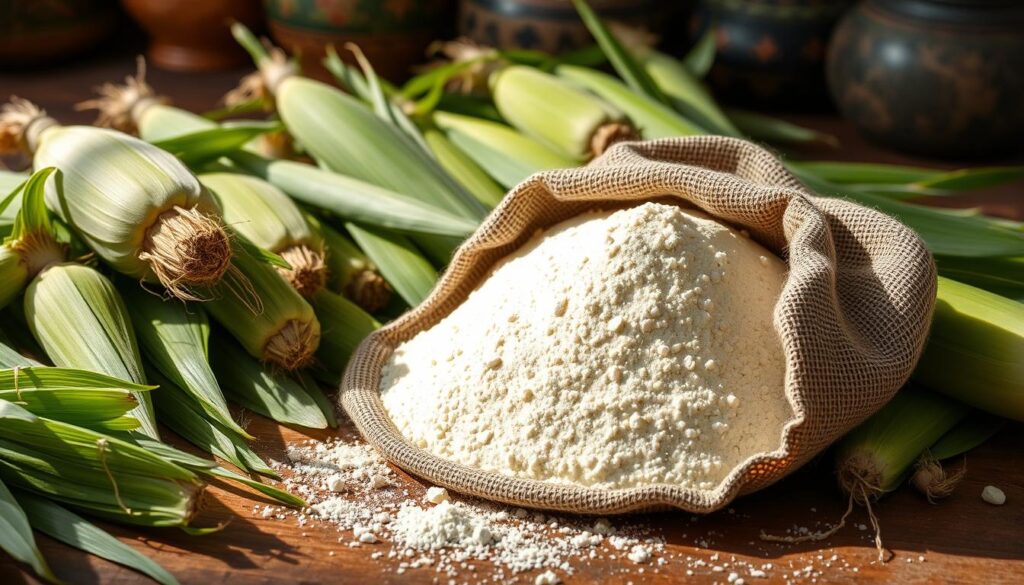
Masa harina is the key to your tamale dough. This special corn flour makes your dough taste amazing. Look for brands like Maseca for the best masa harina.
Critical Fat and Seasoning Selection
The taste of your tamale comes from the fat and seasonings you choose. Traditional recipes often use:
- Lard for authentic richness
- Vegetable oil as a lighter alternative
- Vegetable shortening for versatility
Seasonings are key to making your tamale fillings pop. Think about adding:
- Chili powder
- Cumin
- Fresh garlic
- Salt
Exploring Tamale Fillings
Tamale fillings are where you can get creative. You can stick with meat or try vegetarian options:
| Meat Fillings | Vegetarian Fillings |
|---|---|
| Shredded Pork | Roasted Vegetables |
| Chicken | Black Beans |
| Beef | Cheese Blend |
Trying different fillings lets you make tamales your own while keeping them true to tradition.
“The secret to great tamales lies in the quality of your ingredients and the love you pour into preparing them.” – Mexican Culinary Tradition
Preparing the Corn Husks and Filling
Making real tamales starts with getting the corn husks ready. First, pick out good-quality husks without tears or dirt. Then, wash them in cold water to get rid of any leftover storage stuff.
To make the husks soft and ready, soak them in hot water for at least two hours. For a big batch, soaking them overnight is best. Use a big container like a stockpot or cooler to keep them covered. A tip: Use something heavy to keep the husks under water while they soak.

Now, let’s make the tamale filling. Start with a tasty red chile sauce. Traditional recipes use tender meats like pork shoulder or beef chuck. These are simmered in a mix of guajillo and ancho chile.
- Clean corn husks thoroughly before soaking
- Use hot water for optimal corn husk pliability
- Aim for 2-3 hours of soaking time
- Keep husks moist with a damp paper towel
The secret to exceptional tamales lies in perfectly prepared corn husks and well-seasoned filling.
| Filling Component | Quantity | Preparation Time |
|---|---|---|
| Meat (Pork/Beef) | 2 lbs | 1-2 hours |
| Red Chile Sauce | 1 cup | 30 minutes |
| Filling per Tamale | 1-2 tablespoons | 5 minutes |
For the best results, make your tamale filling up to three days ahead. Store it in a tight container. Season it well but keep it a bit dry to avoid leaks when steaming.
Tamales Recipe: Making the Perfect Masa Dough
Making tamale dough is an art that needs skill and care. It turns simple ingredients into a tasty base for your favorite tamales.
Knowing how to make tamale dough can greatly improve your cooking. One recipe makes about two dozen tamales, great for family events or special days.
Traditional vs Modern Masa Preparation Methods
Oldly, making masa dough was a long, hand-done process. Now, using a stand mixer makes it faster. Hand-kneading takes 15 minutes, but a mixer halves the time for big batches.
Key Ingredients for Perfect Masa Consistency
- 4 cups masa harina
- 1 1/2 cups lard or vegetable shortening
- 1 teaspoon baking powder
- 1/2 tablespoon salt
- 3 3/4 cups warm chicken stock
Achieving the Right Tamale Dough Consistency
The dough should be light and fluffy, like cake frosting. To check, drop a small ball into cold water. If it floats, it’s ready. If it sinks, add more chicken stock and mix again.
| Storage Method | Duration |
|---|---|
| Room Temperature | Up to 4 hours |
| Refrigerated | Up to 48 hours |
| Frozen | Up to 6 months |
Troubleshooting Common Masa Issues
Working with tamale dough can have its challenges. Dry masa needs more liquid, while too wet needs more masa harina. Always add liquids slowly to keep the tamale consistency right.
“Masa is the heart of the tamale – treat it with respect, and it will reward you with deliciousness.” – Traditional Mexican Cook’s Wisdom
Whether you’re new or experienced, mastering masa takes time. Enjoy the journey, and soon you’ll make tamales that honor tradition.
Step-by-Step Assembly Guide
Making perfect tamales needs care and patience. The tamale assembly is like an art that turns simple things into a tasty dish. Knowing the steps helps you make real Mexican tamales that will wow everyone.
Start by getting your workspace ready with all the ingredients. The secret to great tamales is the right mix and how you do it.
Essential Assembly Steps
- Prepare softened corn husks by patting them dry
- Spread masa evenly on the smooth side of each husk
- Leave small borders around the edges to prevent overflow
- Add filling tamales carefully in the center
When spreading masa, aim for a thin, even layer. Pro tip: Use the back of a spoon or a small spatula to create a smooth, consistent coating. Use about 1/3 cup of masa per tamale for the best mix.
“Tamale making is more than cooking – it’s a cherished tradition that brings families together” – Mexican Culinary Expert
Folding Technique
- Fold long edges of the corn husk together
- Gently fold the pointed end upward
- Keep the open end facing upwards
- Optional: Tie with a thin corn husk strip for decoration
Don’t overfill your tamales, or they might burst in the steam. Use 1-2 tablespoons of filling per tamale. This makes sure each bite is just right and stays together while cooking.
Mastering the Wrapping Technique
Tamale wrapping is an art that needs precision and practice. Learning the right folding techniques can make your tamale-making better. The correct way to wrap keeps the filling inside during steaming.
Getting good at tamale making means mastering key wrapping methods. Each method has its own benefits for making tamales that look and taste great.
Essential Folding Methods
- Basic Fold: Bringing corn husk sides together and folding bottom upward
- Envelope Fold: Wrapping sides inward like a traditional envelope
- Tie Method: Securing tamales with corn husk strips
Avoiding Common Tamale Mistakes
When wrapping tamales, some mistakes can ruin your dish:
- Spreading masa too thickly
- Overfilling the corn husk
- Not leaving enough space for folding
- Wrapping too loosely
“Precision in wrapping determines the success of your tamales” – Mexican Culinary Tradition
Pro Wrapping Techniques
Experts say to leave a 1-inch border around the wrapper. This lets the tamale expand while steaming. The masa should be thin but strong enough to hold the filling.
| Wrapping Technique | Key Characteristics | Recommended Filling Amount |
|---|---|---|
| Basic Fold | Simple, Quick | 2-1/2 tablespoons |
| Envelope Fold | Secure, Neat | 2-1/2 tablespoons |
| Tie Method | Traditional, Decorative | 2-1/2 tablespoons |
Remember, practice makes perfect in mastering tamale wrapping techniques! Every try gets you closer to making authentic Mexican tamales that wow everyone.
Steaming Methods and Cooking Times
Learning how to steam tamales is key to making authentic Mexican dishes. The method you choose can change the taste and feel of your tamales.
You have many ways to steam tamales. Each method needs careful attention and the right cooking time.
Traditional Steaming Methods
- Stovetop Steaming: 45-90 minutes
- Instant Pot Tamales: 15-25 minutes at high pressure
- Large Pot or Tamalera: 60-75 minutes
- Slow Cooker: 3-6 hours on high setting
Instant Pot tamales are quick and easy. They cook fast under high pressure, making tamales tender and delicious.
Cooking Time Considerations
| Cooking Method | Cooking Time | Pressure Release |
|---|---|---|
| Stovetop | 45-90 minutes | Natural steam release |
| Instant Pot | 15-25 minutes | 10-20 minutes natural release |
| Slow Cooker | 3-6 hours | Not applicable |
To check if your tamales are done, look for these signs:
- The corn husk should easily pull away from the masa
- Internal temperature reaches 165°F
- Masa appears firm and not sticky
“Patience is key in tamale steaming. Rush the process, and you’ll miss out on the perfect texture.” – Traditional Mexican Chef
After steaming, let your tamales rest for 30 minutes. This helps the masa firm up and improves the taste and texture of your homemade tamales.
Traditional Fillings and Variations
Tamales are a canvas for creativity, with fillings from classic to vegetarian. Choosing the right filling can make your tamale experience special.
Meat-Based Tamale Fillings
Meat fillings are at the heart of Mexican cuisine. You can try several classic options:
- Pork in red chile sauce (a crowd-favorite meat filling)
- Chicken with green salsa verde
- Shredded beef with complex seasonings
- Carnitas with rich, slow-cooked pork
Vegetarian Tamales: Delicious Plant-Based Options
Vegetarian tamales have exciting flavors for those who prefer meat-free. You can find:
- Roasted green chiles with cheese
- Black beans with panela cheese
- Fresh corn and tomato blend
- Butternut squash with spices
“The beauty of tamales lies in their versatility – every region, every family has its unique filling tradition.” – Mexican Culinary Expert
Both meat and vegetarian tamales can be delicious. The secret is using high-quality ingredients and authentic methods.
| Filling Type | Preparation Time | Flavor Profile |
|---|---|---|
| Pork Red Chile | 2-3 hours | Rich, Spicy |
| Chicken Verde | 1-2 hours | Tangy, Bright |
| Vegetarian Cheese | 45 minutes | Mild, Creamy |
| Black Bean | 1 hour | Earthy, Robust |
Pro tip: Experiment with different tamale fillings to discover your personal favorite combination!
Essential Equipment and Tools
Making delicious tamales needs more than just love. You’ll also need the right tamale equipment. Whether you’re cooking at home or dreaming of being a chef, good mixing tools and a reliable steamer pot are key. They can make your tamale-making journey better.
“The right tools make tamale preparation not just easier, but more enjoyable.”
Here’s what you’ll need for your tamale-making toolkit:
- Large steamer pot (16-20 quart capacity)
- Stand mixer or large mixing bowls
- Sturdy spreading spatula
- Meat thermometer
- Tamale spreader tool
Choosing the right steamer pot is important. Look for one that’s big and durable. A 20-quart pot can hold 45-50 tamales, making it great for batch cooking. Experts say to pick one that heats evenly.
| Equipment | Estimated Cost | Recommended Capacity |
|---|---|---|
| Tamalera (Steamer Pot) | $50-$80 | 25-30 tamales |
| Stand Mixer | $200-$400 | Large batch preparation |
| Tamale Spreader | $10-$15 | Consistent masa application |
Pro tip: A tortilla press can make your tamale-making faster. It lets you make more than 5 tamales in the time it takes to make one by hand.
Good mixing tools, like a stand mixer, are crucial. They add air to your masa, making it light and fluffy. Your investment in equipment will be worth in taste.
Storage and Reheating Guidelines
Keeping homemade tamales fresh is important. You can store them for a quick meal or freeze them for later. The right way to handle them is key to keeping their quality.
Freezing Instructions for Tamales
Freezing tamales helps them last longer. Here are some tips for freezing:
- Wrap each tamale in plastic wrap tightly
- Put the wrapped tamales in freezer-safe bags
- Make sure to remove air to avoid freezer burn
- Frozen tamales stay fresh for up to 6 months
Pro tip: Label your freezer bags with the date of storage to track freshness!
Best Reheating Practices
There are several ways to reheat tamales and keep them tasty. Here are the top methods:
- Steaming: This method keeps them moist
- Frozen tamales: Steam for 35-40 minutes
- Refrigerated tamales: Steam for 15-20 minutes
- Oven Method: Preheat to 350°F, heat for 15 minutes
- Microwave: Cover with a damp paper towel, heat 1-2 minutes
Proper storage is key. Cooked tamales should be refrigerated and eaten within 3-4 days. Always keep the fridge at or below 40°F for food safety.
Storage Safety Tips
Follow these important guidelines for storing and reheating tamales:
- Don’t leave tamales at room temperature for more than 2 hours
- Avoid heating them up too many times to keep the texture good
- Thawed tamales can be refrigerated for up to 4 days
Serving Suggestions and Accompaniments
When serving tamales, aim to create a true Mexican dining experience. The right tamale sides can make your meal unforgettable. Traditional Mexican sides add flavor and cultural depth to your tamales.
Here are some essential Mexican accompaniments to complement your tamales:
- Mexican Red Rice: A classic side dish that perfectly balances the tamales
- Refried Black Beans: Creamy and quick to prepare
- Pico de Gallo: Fresh salsa that adds brightness to your plate
- Guacamole: Creamy avocado-based condiment
- Queso Fresco: Crumbled fresh cheese for garnish
For an authentic serving experience, consider these additional suggestions:
- Offer multiple salsa options with varying heat levels
- Garnish with fresh cilantro and lime wedges
- Pair with traditional Mexican beverages like Horchata or Agua Fresca de Tamarindo
“The magic of serving tamales lies in the carefully chosen accompaniments that bring out their rich, complex flavors.” – Mexican Culinary Experts
When planning your tamale feast, remember that variety is key. Mix and match different tamale sides to create a memorable Mexican meal. This will delight your guests and take them to the heart of traditional Mexican cuisine.
Conclusion
Making homemade tamales is more than cooking a meal. It’s about connecting with a rich Mexican tradition that lasts for generations. When you make these treats, you’re not just cooking. You’re keeping alive a cultural heritage that goes back to the Aztec Empire.
Family recipes for tamales are more than just lists of ingredients. They represent shared experiences and love. Whether you’re making 16 veggie tamales or 200 for a holiday, each batch has its own story. The process includes choosing the right corn husks and getting the masa just right.
Today, tamale traditions have grown, with options like vegan and vegetarian fillings. You can try new wraps, spice mixes, and cooking ways while keeping the core techniques alive. By trying these recipes, you’ll find a tasty way to celebrate Mexican food in your kitchen.
Remember, making tamales is an art that needs patience, practice, and passion. Every batch you make brings you closer to a vibrant culinary tradition. It’s a tradition that keeps growing and inspiring home cooks in the United States.
F.A.Q
What are tamales?
Tamales are a traditional Mexican dish. They are made with masa harina, filled with meat or veggies, and wrapped in corn husks. This dish has a long history and is often enjoyed during holidays.
What ingredients do I need to make tamales?
You’ll need masa harina, corn husks, and a fat like lard or oil. You’ll also need broth, salt, baking powder, and your choice of filling. Fillings can be pork, chicken, beef, or even cheese and beans. Don’t forget chili powder, cumin, and garlic for flavor.
How long does it take to make tamales?
Making tamales takes several hours. You’ll need to make the dough, prepare the filling, and soak the husks. Assembling and steaming the tamales takes time. It usually takes 3-4 hours, depending on how many you make.
Can I make vegetarian tamales?
Yes! You can make vegetarian tamales with cheese, beans, squash, or corn. Sweet tamales with fruit and nuts are also a great option.
How do I store and reheat tamales?
Cooked tamales can be stored in the fridge for a week or frozen for 6 months. To reheat, steam them for 15-20 minutes. You can also reheat in the oven or microwave with a damp paper towel.
What equipment do I need to make tamales?
You’ll need a large steamer pot, a mixer or bowls for dough, and a spoon or spatula. A tamale spreader and meat thermometer are optional but helpful.
How do I know when tamales are fully cooked?
Tamales are done when the dough pulls away from the husk. Stovetop tamales take 1-1.5 hours with lard and 2.5 hours with oil. In an Instant Pot, cook for 25 minutes with a 10-minute natural release. Always check the masa is firm and separates cleanly.
Can I make tamales ahead of time?
Yes! You can prepare the filling up to 3 days before. Cooked tamales can be frozen for up to 6 months. This makes them perfect for special occasions or meal prep.


