Did you know that over 60% of Americans order Chinese takeout at least once a month? One of the most popular dishes is a flavorful noodle creation that’s both satisfying and easy to make at home. This dish brings the authentic taste of your favorite restaurant straight to your kitchen.
Using fresh ingredients like premium noodles and succulent seafood, this recipe ensures every bite is packed with flavor. The secret lies in the perfectly balanced sauce and attention to detail, from the texture of the noodles to the marinade techniques.
Whether you’re a seasoned cook or a beginner, this recipe is designed to be simple and accessible. You’ll enjoy a restaurant-quality meal without leaving your home. Ready to get started?
Key Takeaways
- Recreate classic takeout flavors at home with fresh, high-quality ingredients.
- Focus on the perfect balance of noodles, seafood, and sauce for authentic taste.
- Simple steps make this dish accessible for cooks of all skill levels.
- Enjoy a restaurant-quality meal in the comfort of your kitchen.
- Attention to detail, like noodle texture and marinade, sets this recipe apart.
Introduction to a Classic Takeout Favorite
For many, the aroma of a classic Chinese takeout dish brings back cherished memories of family dinners. This iconic meal has become a symbol of comfort and convenience, blending bold flavors with simple preparation. Its roots trace back to Chinese-American cuisine, where it evolved into a beloved staple in restaurants and homes alike.
Discover the Dish’s Origins
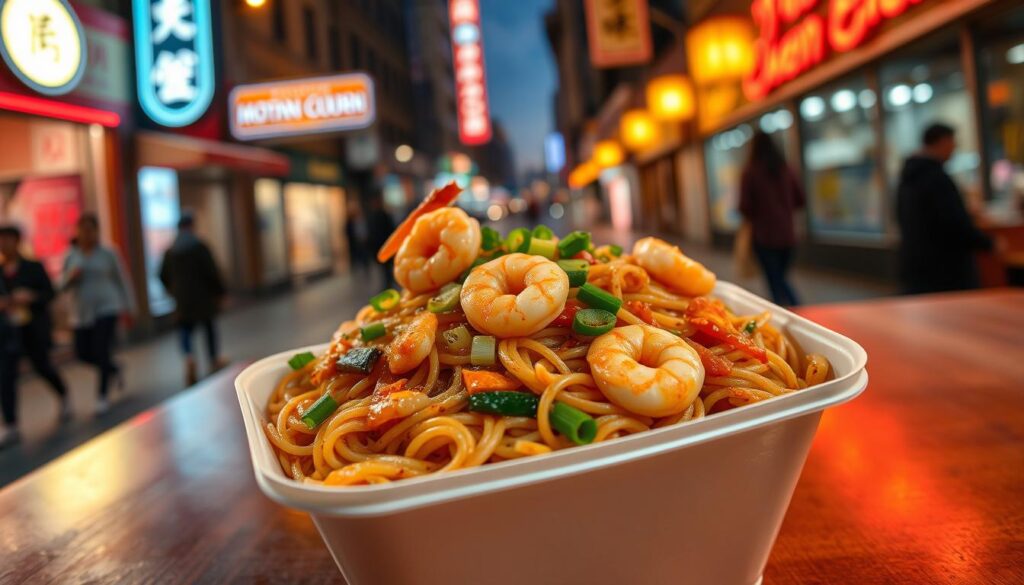
This dish has a rich history, originating from traditional Chinese cooking techniques. Over time, it adapted to American tastes, becoming a go-to option for takeout enthusiasts. Its popularity grew as families gathered around the table, enjoying its savory flavors and satisfying textures.
Today, it remains a cornerstone of Chinese-American cuisine, celebrated for its versatility and timeless appeal. Whether enjoyed at a restaurant or made at home, it continues to bring people together.
What Makes It Perfect for Home Cooking
One of the reasons this dish is so beloved is its simplicity. With just a few fresh ingredients and minimal cooking time, you can recreate the flavors of your favorite takeout in your own kitchen. It’s a perfect option for busy weeknights or when you’re craving something comforting yet quick.
By mastering a few key techniques, you can achieve restaurant-quality results without leaving your home. Plus, it’s a great way to experiment with flavors and make the dish your own. For more inspiration, check out this prawn fried rice recipe to expand your culinary repertoire.
“The beauty of this dish lies in its ability to bring people together, whether at a restaurant or around the family table.”
From its historic origins to its modern-day appeal, this dish has stood the test of time. It’s more than just a meal—it’s a celebration of culture, flavor, and the joy of cooking at home.
Essential Ingredients for Authentic Flavor
The secret to an authentic dish lies in the quality of its ingredients. From fresh vegetables to carefully selected proteins, every component plays a crucial role in creating a meal that’s both flavorful and satisfying. Let’s break down the essentials that make this dish stand out.
Key Proteins and Vegetables
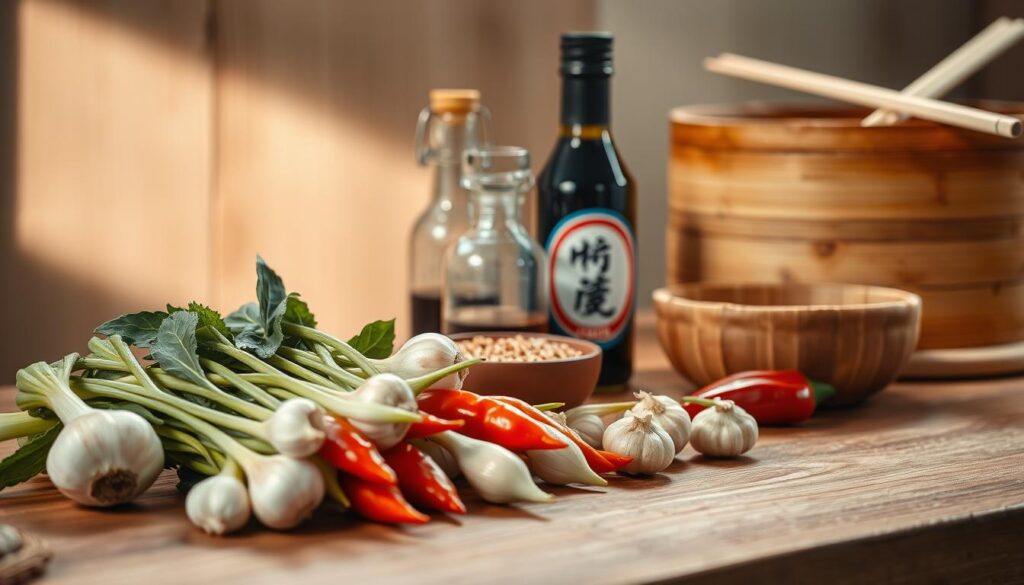
High-quality proteins are the heart of this dish. Fresh seafood, like raw shrimp, ensures a tender and juicy texture. Pair it with crisp vegetables such as sliced carrots, onions, and cabbage for a balanced mix of flavors and textures.
Freshness is key. Using vibrant, crunchy vegetables not only enhances the taste but also adds a satisfying bite. Don’t forget to include aromatic elements like garlic and ginger to elevate the overall profile.
Sauces, Seasonings, and Specialty Oils
The sauce is where the magic happens. A combination of soy sauce, oyster sauce, and sesame oil creates a rich, savory base. Add a touch of Shaoxing wine and sugar for depth and balance.
Seasonings like white pepper and optional MSG bring out the dish’s authentic flavors. Specialty oils, such as sesame oil, add a finishing touch that ties everything together. Precision in measurements ensures the perfect harmony of taste.
By carefully selecting and preparing these ingredients, you can recreate a dish that’s bursting with authentic flavor. Every bite will remind you of your favorite takeout, but with the satisfaction of making it yourself.
Choosing the Perfect Noodles for Your Dish
The foundation of any great noodle dish starts with the right choice of noodles. Whether you’re aiming for authenticity or convenience, the type of noodles you use can significantly impact the final result. Let’s explore the key factors to consider when selecting the best option for your meal.
Fresh versus Dried Lo Mein Noodles
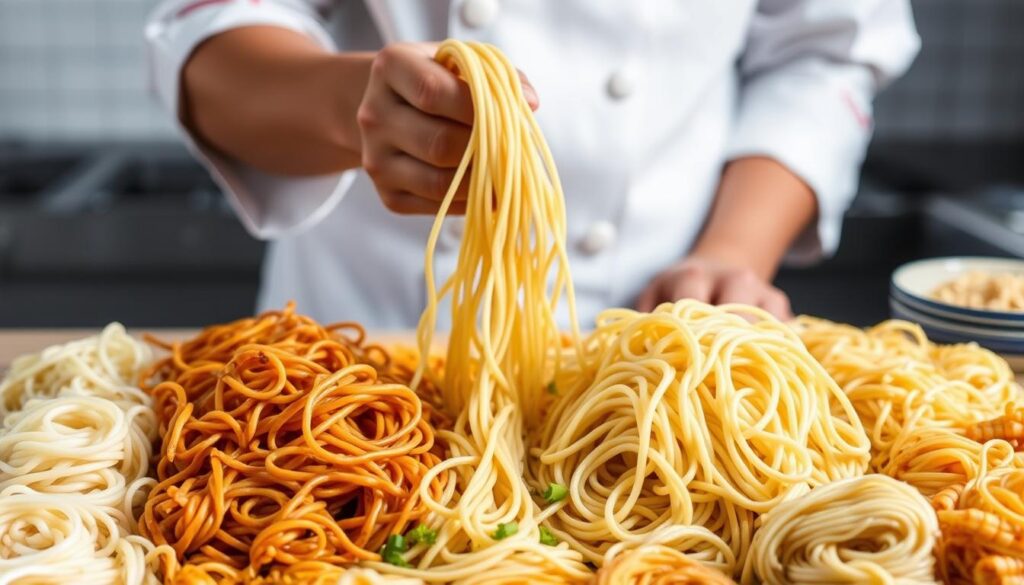
Fresh mein noodles, like those from Twin Marquis, are known for their chewy texture and authentic flavor. They absorb sauces well, creating a harmonious blend of taste and consistency. These noodles are ideal for achieving restaurant-quality results at home.
Dried noodles, on the other hand, are a convenient option. They have a longer shelf life and are widely available. While they may lack the chewiness of fresh noodles, they still work well in a pinch. Cooking them properly ensures they remain firm and flavorful.
Benefits of Authentic Mein Noodles
Authentic mein noodles, such as Twin Marquis, are crafted to deliver the perfect balance of texture and taste. Their thickness and elasticity make them ideal for stir-frying, as they hold up well under heat. This ensures your dish retains its structure and doesn’t become mushy.
Using these noodles also enhances the overall authenticity of your meal. They pair beautifully with the savory sauces and crisp vegetables, creating a dish that’s both satisfying and true to its origins.
Alternative Options
If authentic mein noodles aren’t available, there are other options. Spaghetti can be a great substitute, offering a similar shape and texture. Chow mein noodles, with their slightly thinner profile, are another alternative that works well in stir-fries.
When using substitutes, adjust cooking times to ensure they don’t overcook. This helps maintain the desired texture and prevents the noodles from becoming too soft.
Practical Tips for Cooking Noodles
To prevent sticking, cook noodles in plenty of boiling water with a pinch of salt. Stir occasionally to ensure even cooking. Once done, rinse them under cold water to stop the cooking process and remove excess starch.
If you’re stir-frying, slightly undercook the noodles. They’ll finish cooking in the pan, absorbing the flavors of the sauce and vegetables. This technique ensures they remain firm and flavorful.
By choosing the right noodles and handling them with care, you can elevate your dish to new heights. Whether you opt for fresh, dried, or an alternative, the perfect noodles are key to a delicious meal.
How to Marinate and Prep Your Shrimp
Mastering the art of marinating and prepping can elevate your dish to restaurant-quality perfection. The right techniques ensure your seafood is tender, flavorful, and perfectly cooked. Let’s dive into the steps that make this process simple yet effective.
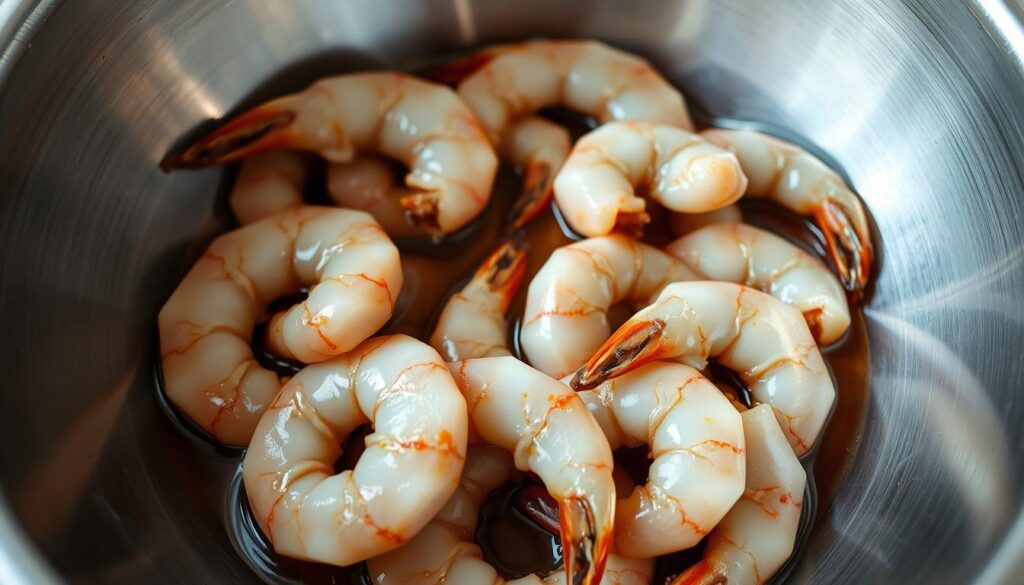
Tips for Achieving Juicy, Tender Seafood
Start by marinating your seafood with a blend of soy sauce and a pinch of baking soda. The baking soda works as a secret ingredient, breaking down proteins to create a tender texture. Add a splash of oil and a drizzle of sesame oil to lock in moisture and enhance flavor.
Season the marinade with a dash of pepper for a subtle kick. Let the seafood sit for 10-15 minutes to absorb the flavors. This step ensures every bite is juicy and packed with taste.
Prepping Vegetables for Even Cooking
While your seafood marinates, prep your vegetables. Slice them uniformly to ensure they cook evenly. Use a mix of crisp carrots, onions, and cabbage for a balanced texture and flavor.
Set aside the prepped vegetables and marinated seafood for efficient cooking. This organization saves time and ensures everything is ready when you start stir-frying.
| Ingredient | Preparation Tip |
|---|---|
| Seafood | Marinate with soy sauce, baking soda, and oils. |
| Vegetables | Slice uniformly for even cooking. |
| Seasoning | Add pepper for a subtle kick. |
By following these steps, you’ll create a dish that’s both tender and flavorful. The marination and prep process ensures every ingredient shines, delivering a meal that’s as satisfying as it is delicious.
Step-by-Step: Perfecting the shrimp lo mein recipe
Cooking a flavorful dish at home doesn’t have to be complicated—this step-by-step guide makes it easy. By following these detailed instructions, you’ll create a meal that’s as satisfying as your favorite takeout. Let’s dive into the process.
Preparing the Marinade and Sauce
Start by mixing the marinade. Combine soy sauce, sesame oil, and a pinch of sugar in a bowl. Add your seafood and let it sit for 10-15 minutes. This step ensures every bite is tender and flavorful.
For the sauce, whisk together soy sauce, oyster sauce, and a splash of water. Add a teaspoon of cornstarch to thicken it. This combination creates a rich, savory base that ties the dish together.
Combining Ingredients in One Pan
Cook your noodles 1-2 minutes less than the package instructions. This ensures they finish cooking in the pan without becoming mushy. Drain and set them aside.
Heat a large pan or wok over medium-high heat. Add a bit of oil and stir-fry your vegetables for 3-4 minutes until crisp. Push them to the side and add the marinated seafood. Cook for another 3-4 minutes until tender.
Add the noodles and sauce to the pan. Toss everything together for 1-2 minutes, ensuring the sauce coats every ingredient. Keep an eye on the heat to prevent overcooking.
By following these steps, you’ll achieve a dish that’s bursting with flavor and texture. It’s a simple yet effective way to bring restaurant-quality results to your kitchen.
Stir-Frying Techniques for Restaurant-Quality Results
Achieving restaurant-quality stir-fry at home starts with mastering the right techniques. From selecting the perfect pan to managing heat, every detail matters. Let’s explore how to elevate your cooking game with these expert tips.
Selecting the Right Wok or Skillet
The right kitchen tool makes all the difference. A carbon steel wok is ideal for high-heat cooking. Its shape allows for even heat distribution and easy tossing of ingredients. If you don’t have a wok, a large skillet works too. Just make sure it’s heavy-duty to handle the heat.
Managing Heat and Stirring Techniques
High heat is key to a perfect stir-fry. Preheat your pan until it’s almost smoking. This ensures a quick sear, locking in flavors and textures. Add a splash of vegetable oil and a touch of sesame oil for authentic flavor.
Keep your ingredients moving. Continuously stir to prevent burning and ensure even cooking. Add green onions, cabbage, and other vegetables in stages, starting with the denser ones. For extra texture, crack an egg into the pan and scramble it quickly.
| Tip | Why It Matters |
|---|---|
| Use a carbon steel wok | Ensures even heat distribution and easy tossing. |
| Preheat the pan | Locks in flavors and prevents sticking. |
| Stir continuously | Prevents burning and ensures even cooking. |
| Add oils strategically | Enhances flavor and prevents sticking. |
By following these techniques, you’ll create a dish that’s bursting with flavor and texture. For more stir-fry inspiration, check out this mushroom stir-fry recipe to expand your culinary skills.
Troubleshooting Common Cooking Mistakes
Even the most experienced cooks can run into challenges when preparing a dish that requires precision and balance. Whether it’s soggy noodles or overcooked vegetables, these issues can affect the overall flavor and texture of your meal. Let’s explore how to avoid these pitfalls and achieve perfect results every time.
Preventing Soggy Noodles and Mushy Vegetables
One of the most common mistakes is overcooking noodles. To avoid this, cook them 1-2 minutes less than the package instructions. This allows them to finish cooking in the pan, absorbing the sauce without becoming mushy. For vegetables, slice them uniformly and add them in stages. Denser vegetables like carrots should go in first, followed by softer ones like bean sprouts.
Another tip is to use high heat when stir-frying. This ensures a quick sear, locking in the flavor and maintaining a crisp texture. If you’re using mushrooms, make sure they’re fresh and sliced evenly to cook uniformly.
Balancing the Flavor and Texture
If your sauce feels too heavy, dilute it with a splash of water or broth. Adjust seasonings like soy sauce or sugar to achieve the desired flavor profile. For a crunchier texture, add bean sprouts or mushrooms towards the end of cooking.
| Mistake | Solution |
|---|---|
| Soggy noodles | Undercook slightly and finish in the pan. |
| Mushy vegetables | Slice uniformly and cook in stages. |
| Heavy sauce | Dilute with water or broth. |
| Lack of crunch | Add bean sprouts or mushrooms last. |
By following these tips, you can troubleshoot common issues and elevate your dish to restaurant-quality. For more inspiration on balancing flavor and texture, check out this mushroom rice recipe.
Customizing Your Dish with Extra Vegetables and Proteins
One of the best parts of cooking at home is the freedom to tailor recipes to your taste. This dish is incredibly versatile, allowing you to experiment with different proteins and vegetables. Whether you’re adding extra crunch or boosting nutritional value, the possibilities are endless.
Vegetable Mix-Ups and Protein Alternatives
If you’re looking to switch things up, try using chicken instead of seafood. It’s a lean protein that pairs beautifully with the savory sauce. For added texture, incorporate bean sprouts or other crunchy vegetables like bell peppers or snow peas.
Adding extra vegetables not only enhances the dish’s color but also boosts its nutritional profile. Consider including carrots, green onions, or even mushrooms for a heartier meal. These additions ensure every bite is packed with flavor and nutrients.
“The beauty of this dish lies in its adaptability—you can make it uniquely yours while keeping its authentic essence.”
For a creative twist, try mixing in different types of beans or even water chestnuts. These ingredients add a satisfying crunch and elevate the overall texture. The key is to balance the flavors so that each component shines.
By customizing the recipe, you can create a dish that reflects your personal preferences. Whether you’re adding more vegetables or experimenting with proteins, the result will be a meal that’s both delicious and uniquely yours.
Nutritional Information and Healthful Adjustments
Understanding the nutritional profile of your meal can help you make healthier choices without sacrificing flavor. By breaking down the calories and macronutrients, you can tailor the dish to better meet your dietary needs. Let’s explore how to make this meal both delicious and nutritious.
Understanding Calories and Macronutrients
A single serving of this dish contains approximately 342 calories. It provides a balanced mix of macronutrients, including 34 grams of protein, 20 grams of carbohydrates, and 14 grams of fat. These values can vary depending on the ingredients and portion sizes you use.
Using precise measurements like a cup or tablespoon ensures consistency in your cooking. This helps you accurately track your intake of calories, sodium, and sugar. For example, 2 tablespoons of soy sauce add about 20 calories, while 1 teaspoon of sugar contributes 16 calories.
Swapping Ingredients for a Healthier Meal
Small adjustments can make a big difference in the nutritional value of your dish. For instance, replace regular soy sauce with a low-sodium version to reduce sodium intake. Use a tablespoon of honey instead of sugar for a natural sweetener that adds depth of flavor.
Incorporate more vegetables like bell peppers or snow peas to boost fiber and vitamins. Swap out regular noodles for whole-grain or vegetable-based alternatives to increase fiber content. These changes not only enhance the dish’s nutritional profile but also add variety to your meals.
| Nutrient | Amount per Serving |
|---|---|
| Calories | 342 kcal |
| Protein | 34 g |
| Carbohydrates | 20 g |
| Total Fat | 14 g |
| Sodium | 3579 mg |
| Sugar | 11 g |
By making these adjustments, you can enjoy a healthier version of your favorite dish without compromising on taste. For more ideas on creating balanced meals, check out this seafood pasta recipe.
Conclusion
Recreating restaurant-quality flavors at home has never been easier. This dish combines simplicity with affordability, making it a go-to option for busy weeknights or special occasions. By focusing on fresh ingredients and mastering key techniques, you can achieve a meal that’s both satisfying and customizable.
One of the greatest benefits of preparing this dish at home is the ability to tailor it to your preferences. Experiment with different proteins or add extra vegetables to boost flavor and nutrition. The core instructions ensure consistency, while leaving room for creativity.
To keep your leftovers fresh, store them in an airtight container in the refrigerator for up to 3-4 days. When reheating, ensure the internal temperature reaches 165°F for safety. This simple storage method lets you enjoy your meal without waste.
We’d love to hear about your experience! Share your results or leave a comment to help others perfect their version. For more inspiration, check out this quick and easy guide to elevate your cooking game.
F.A.Q
What is the origin of shrimp lo mein?
Shrimp lo mein originates from Chinese cuisine, specifically Cantonese cooking. It’s a popular takeout dish known for its savory flavors and versatility.
Why is shrimp lo mein great for home cooking?
It’s quick to prepare, uses simple ingredients, and allows you to customize it with your favorite vegetables and proteins. Plus, it’s a one-pan dish, making cleanup easy.
What are the key ingredients for authentic flavor?
Essential ingredients include soy sauce, sesame oil, garlic, and fresh vegetables like cabbage and carrots. You’ll also need noodles and your choice of protein for a complete meal.
Should I use fresh or dried noodles for lo mein?
Both work well, but fresh noodles cook faster and have a softer texture. Dried noodles are more convenient and have a firmer bite, so choose based on your preference.
How do I marinate shrimp for lo mein?
Combine soy sauce, sesame oil, and a pinch of sugar to marinate the shrimp. Let it sit for 10-15 minutes to absorb the flavors and stay tender during cooking.
What’s the best way to stir-fry lo mein?
Use a hot wok or skillet and cook in batches to avoid overcrowding. Keep the heat high and stir constantly for even cooking and a restaurant-quality finish.
How can I prevent soggy noodles and mushy vegetables?
Cook noodles al dente and drain them well. Stir-fry vegetables quickly over high heat to retain their crunch and texture.
Can I add extra vegetables or proteins to my lo mein?
Absolutely! Try adding broccoli, bell peppers, or mushrooms. For protein, chicken, tofu, or beef are great alternatives to shrimp.
Is shrimp lo mein healthy?
It can be! Use whole wheat noodles, reduce sodium by using low-sodium soy sauce, and load up on fresh vegetables for a nutritious meal.