
Are you ready to make a traditional Italian panettone? This sweet bread comes from Milan, Italy, and is perfect for the winter holidays. You can also try other Italian recipes like gluten-free risotto to explore the country’s food diversity.
To start, you need to know the basics. The recipe takes about 30 minutes on the first day and 10 minutes on the second. You’ll also need to bake it for 70 to 75 minutes. With the right ingredients, like 5 cups of flour, you’re on your way to making a real Italian panettone.
Key Takeaways
- Preparation time for the panettone recipe is approximately 30 minutes on the first day and 10 minutes on the second day.
- The baking time for panettone is between 70 to 75 minutes.
- Ingredients include 5 cups of all-purpose flour, which constitutes nearly 83% of the total ingredient weight.
- The recipe uses slightly more than 1 tablespoon of instant yeast.
- Storage capability of the baked panettone is up to 5 days at room temperature, or it can be frozen for up to 2 months.
- The total process to bake homemade panettone takes nearly two days from start to finish.
- Understanding the role of premium flour, selecting the right yeast, and using quality butter and eggs are crucial for a successful panettone recipe.
The Rich History of Traditional Italian Panettone
Traditional panettone is a beloved Italian Christmas bread recipe from Milan, Italy. Its history goes back to the 1400s, linked to Ludovico il Moro’s court. Over time, it became a global holiday favorite, deeply rooted in Italian tradition.
Historical records show panettone was once made with sourdough starter. Now, instant yeast is used in modern recipes. In the late 19th century, Milanese confectioner Giovanni Felice Luraschi perfected the recipe. Today, panettone is a Christmas staple in Italy, leading the traditional dessert list.
Some key facts about traditional panettone include:
- It’s often served at big family gatherings, showing its cultural importance during holidays.
- At Italian Christmas tables, panettone or pandoro is the preferred choice, highlighting panettone’s traditional status.
- Since 2003, panettone’s tradition is regulated by a product specification, outlining ingredient and percentage requirements.
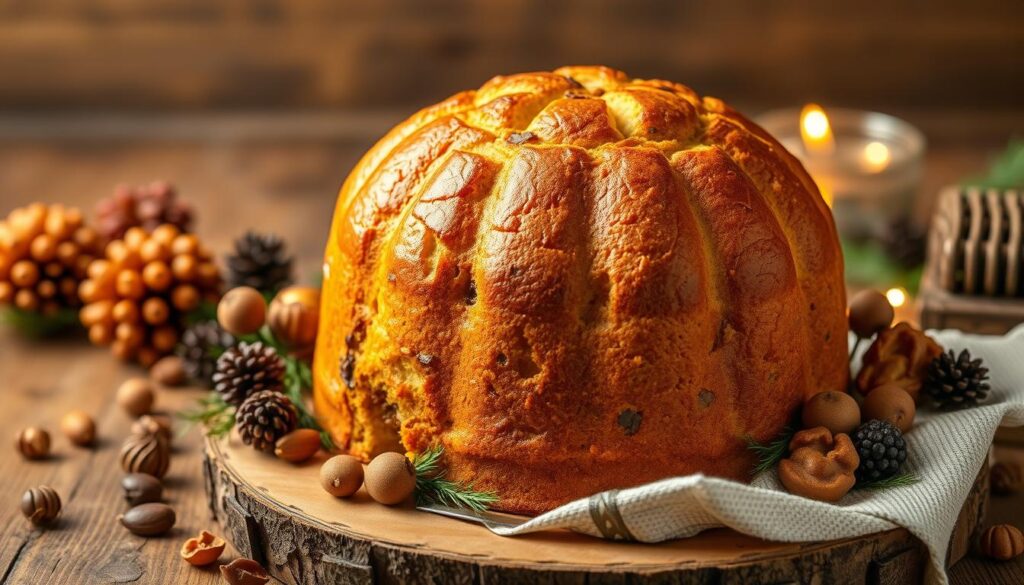
To make authentic Italian panettone, high-quality ingredients and traditional techniques are key. The result is a delicious, iconic Italian Christmas bread recipe that will wow everyone.
Essential Equipment for Panettone Success
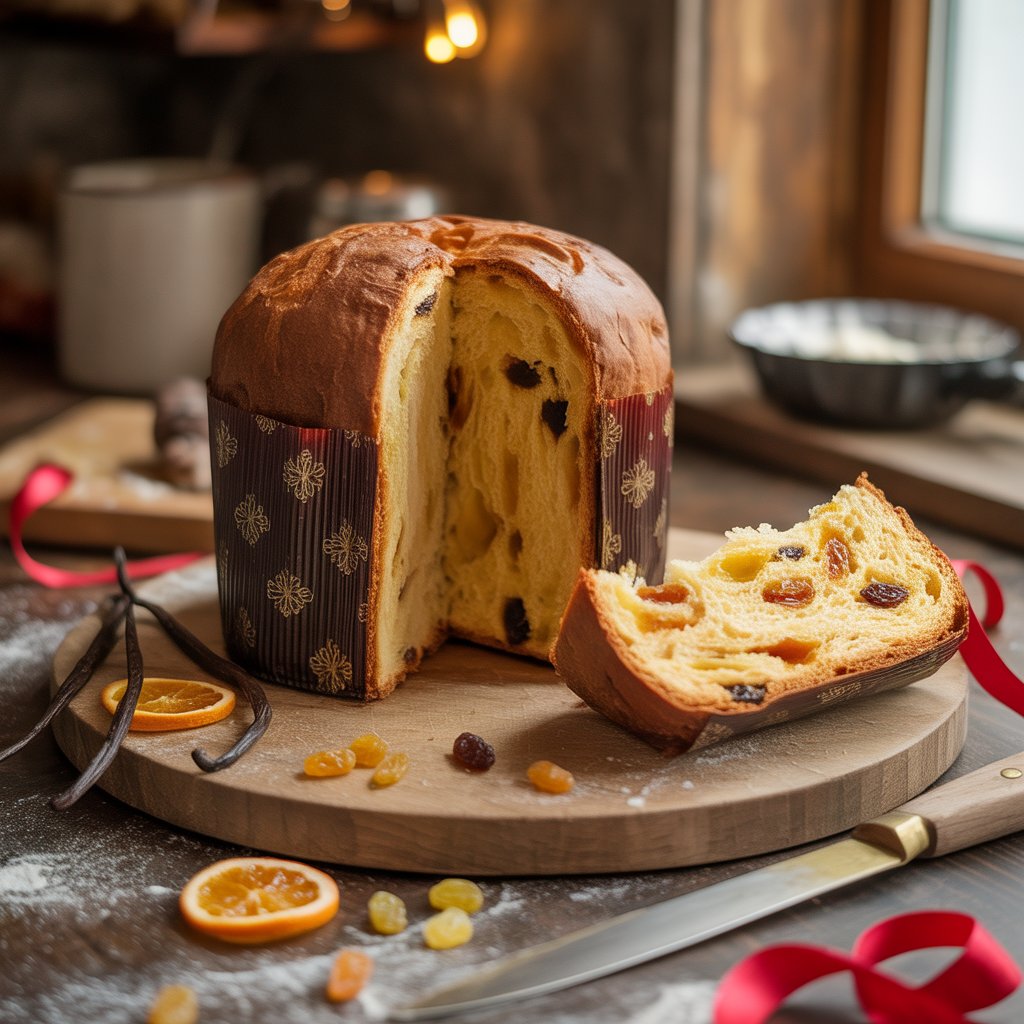
To make a delicious panettone, you need the right tools. Simply Recipes says you need a stand mixer, a large bowl, and a paper panettone mold. A KitchenAid stand mixer is a good choice, with many models to fit your budget.
A large bowl is key for mixing and kneading the dough. A paper panettone mold helps your bread keep its shape and look great.
For an easy panettone recipe, you’ll also need a digital scale, a measuring cup, and a wooden spoon. These help you measure ingredients and mix the dough. You’ll also need a pastry brush and a cooling rack for egg wash and cooling the bread.
- Stand mixer
- Large bowl
- Paper panettone mold
- Digital scale
- Measuring cup
- Wooden spoon
- Pastry brush
- Cooling rack
Investing in these tools will help you make a delicious panettone. With the right equipment and practice, you’ll impress everyone with your tasty panettone.
| Equipment | Description |
|---|---|
| Stand mixer | Mixes and kneads the dough |
| Large bowl | Mixes and holds the dough |
| Paper panettone mold | Shapes and holds the panettone |
Understanding Panettone Ingredients
To make a real panettone, knowing each ingredient’s role is key. Serious Eats says top-notch ingredients are vital. This means using the best flour, yeast, butter, and eggs. For a homemade panettone, picking the finest ingredients is crucial for the right taste and texture.
A traditional panettone recipe combines flour, yeast, butter, eggs, and dried fruits. The flour type greatly impacts the panettone’s texture and taste. High-protein flour makes it lighter and airier. Learn more about flour types and their uses on veganbatter.com.
The Importance of Quality Ingredients
Quality ingredients are essential for a great panettone. Use fresh eggs, real butter, and top-notch dried fruits. The yeast type also matters. Active dry yeast is a favorite for its consistent rise and flavor.
Choosing the Right Fruits and Flavorings
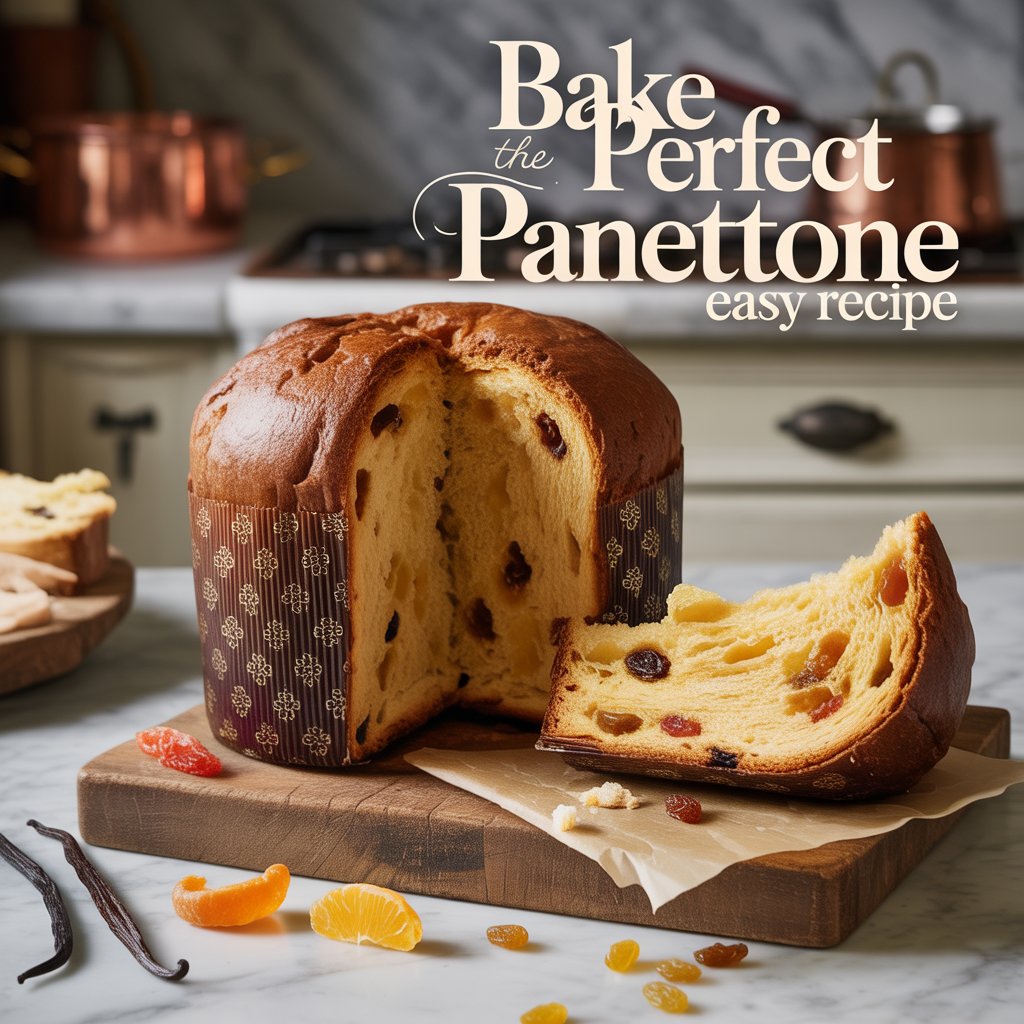
Choosing the right fruits and flavorings can make your panettone stand out. Traditional recipes use dried fruits like raisins and cherries. You can also try vanilla, almond, or chocolate for a unique taste. For a classic panettone, stick to traditional ingredients for an authentic flavor.
| Ingredient | Quantity |
|---|---|
| Premium flour | 3 cups |
| Active dry yeast | 1 package (.25 ounces) |
| Unsalted butter | 6 tablespoons |
| Dried fruits | 1.5 cups |
Authentic Panettone Recipe for Home Bakers
To make the best panettone, start with quality ingredients and tools. Making panettone at home takes patience and effort, but it’s worth it. With the right recipe, anyone can bake delicious panettone.
A traditional panettone using pasta madre lasts about 2 weeks. Panettone made with dry yeast lasts 4 days. The recipe makes a 1 kg (2.2 lbs) panettone. Using rum to soak raisins adds to the flavor.
Here are some key steps for the best panettone recipe:
- Preheat the oven to 350°F (175°C) for baking.
- Mix the dough for about 40 minutes, with 20 minutes for the second dough and another 20 minutes after adding the rest.
- Let the dough rise for at least 2 hours for the second rise, and refrigerate overnight after the first fold.
For more details, visit this website about different cake recipes. The secret to a great panettone is not overmixing the dough and letting it rise properly. With practice, you’ll make delicious panettone like a pro.
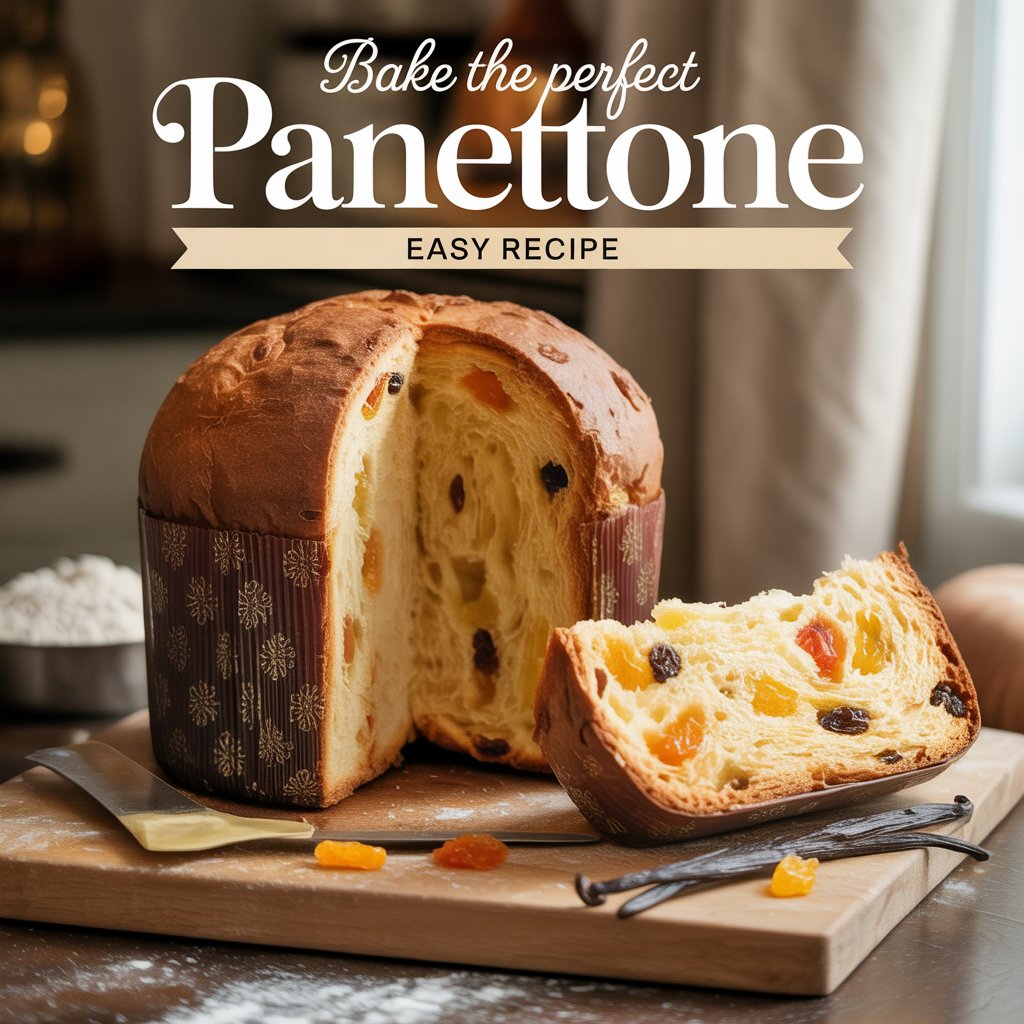
Remember to cool the panettone upside down for at least 6 hours. This keeps its shape and airy texture. Follow these tips and the right recipe to make the best panettone at home.
Mastering the Panettone Dough
To make great panettone, you must learn how to knead, let it rise, and shape it right. Serious Eats says it takes practice and patience. Following the baking steps carefully is key to getting the right texture and taste.
Here are some important steps to follow:
- Proper kneading techniques: Knead the dough for about 10 minutes until it becomes smooth and elastic.
- First rise instructions: Let the dough rise for 10 hours, or until it has tripled in size.
- Shaping the panettone: Shape the dough into its signature form, making sure to create a tight, even crumb.
When baking panettone, details matter a lot. The dough should proof in a temperature between 85 to 90 degrees Fahrenheit. By mastering the dough and following these steps, you’ll make a delicious, authentic Italian panettone.
Remember, practice makes perfect. Don’t get discouraged if your first panettone doesn’t turn out right. With time and patience, you’ll get better. Soon, you’ll make loaves that will wow your friends and family.
The Art of Proofing Your Panettone
Proofing is key when making traditional panettone. It lets the dough rise and develop its flavor and texture. Simply Recipes says proofing is vital for a tasty, authentic Italian panettone.
To proof well, keep the temperature and humidity steady. The best temperature is 75°F to 80°F, with humidity around 40%. Use a proofing box or a warm, draft-free spot in your kitchen.
Here are some proofing tips:
* Use a reliable recipe as a guide
* Let the dough rise for 20-24 hours
* Check the dough often to avoid over-proofing
* Keep the temperature and humidity steady
By following these tips and using a traditional recipe, you’ll make a delicious Italian panettone. Be patient and let the dough proof for the right time. This will bring out the panettone’s unique flavor and texture.
Baking Temperature and Timing Guide
Getting the perfect panettone requires attention to temperature and timing. Serious Eats says precision is key for the right texture and taste. You need to follow a specific guide for baking temperature and timing.
First, preheat your oven to the correct temperature. The best temperature for panettone is 350°F (177°C) for 35-45 minutes. If the tops get too dark, lower the temperature to 325°F (163°C). The panettone should reach an internal temperature of 185°F (85°C) to be perfectly baked.
Preheating Requirements
Preheating your oven is crucial for even baking. Make sure to preheat it to the right temperature before baking the panettone. You can use a recipe to help you through this step.
Temperature Stages
There are several temperature stages for baking panettone. First, preheat the oven. Then, bake the panettone at the ideal temperature. Finally, check the internal temperature to ensure it’s baked right.
Visual Doneness Indicators
Look for visual signs of doneness besides the internal temperature. A golden-brown color and firm texture are good indicators. Recipes can guide you through these steps.
By following these guidelines, you can bake a perfect panettone. Use a recipe to help you, and feel free to experiment with flavors and ingredients. This way, you can create your own unique panettone recipe.
The Essential Cooling Process
After baking, it’s key to cool your panettone right to keep its texture and taste. This step is often missed, but it’s vital for a perfect authentic panettone recipe. Simply Recipes says cooling the panettone is crucial, hanging it upside down until it’s completely cool.
To cool your panettone, hang it upside down. This keeps the bread from getting misshapen and cools it evenly. You can use a cooling rack or a hook for hanging. The cooling time varies by panettone size, but aim for at least 12 hours.
Why Hanging Upside Down Matters
Hanging your panettone upside down cools it evenly and stops it from getting soggy. This is key for the perfect texture and taste in your homemade panettone recipe. By following these steps, you’ll make a delicious, authentic panettone that will wow your loved ones.
Be patient and let your panettone cool fully. This keeps its texture and flavor, making it stay fresh longer. With these tips, you’re on your way to making the perfect authentic panettone recipe with a homemade panettone recipe.
Common Panettone Problems and Solutions
Making the best panettone recipe can be tricky. Serious Eats notes that issues with the dough, proofing, and baking temperature are common. These problems can affect the quality of your panettone cake.
To fix these issues, understanding the causes and solutions is key. For example, if the dough doesn’t rise, it might be due to wrong yeast or temperature. If your panettone bakes unevenly, it could be because of the oven temperature or baking time.
Here are some common problems and solutions to help you achieve the perfect panettone:
- Overmixing the dough: Mix the ingredients just until they come together, then let the dough rest.
- Incorrect proofing temperature: Ensure the temperature is between 80°F and 82°F for optimal proofing.
- Insufficient baking time: Bake the panettone for at least 40 minutes, or until it reaches an internal temperature of 199°F.
By following these tips and using a reliable panettone cake recipe, you can create a delicious and authentic Italian panettone. This will impress your friends and family. Remember, making the best panettone recipe takes time and practice.
To further assist you in your panettone-making journey, here is a summary of the key statistics:
| Stage | Time | Temperature |
|---|---|---|
| Sweet starter preparation | 12 hours | 82°F – 86°F |
| First dough mixing | 25-45 minutes | 68°F – 79°F |
| Proofing | 4-6 hours | 80°F |
| Baking | 40 minutes | 199°F |
Storage and Serving Suggestions
After baking your traditional panettone, it’s key to store it right. This keeps it fresh and flavorful. You can keep it at room temperature for 3 to 5 days if wrapped well. Or, freeze it for months.
To serve, slice it thinly, tear it, or dip it. You can also heat it, toast and butter it, or make French Toast. For a real Italian touch, try it with crema di mascarpone or a sweet wine. For more ideas, check out Grand Central Bakery’s blog.
Here are some tips for serving your panettone:
- Serve at room temperature, about 25°C (77°F), for the best taste and texture.
- Warm it up in the oven at 80°C (180°F) for 2-3 minutes. This boosts the aroma and flavor.
- Pair it with sweet or savory items like jams, honey, or cured meats.
By following these tips, you can enjoy your homemade panettone longer. It will taste and feel its best.
| Storage Method | Duration |
|---|---|
| Room Temperature | 3-5 days |
| Freezer | Several months |
Creative Variations on Classic Panettone
Exploring how to make panettone opens up a world of possibilities. Serious Eats suggests trying different flours and flavors. You can use whole wheat flour or add dried fruits like cranberries or cherries for a unique twist.
Here are some tips for panettone baking instructions to get you started:
- Use a mix of all-purpose and bread flour for a soft crumb
- Add a touch of spice, like cinnamon or nutmeg, to enhance the sweetness
- Shape your panettone into a round or oblong for a special look
Remember, the secret to a great panettone is to have fun and be creative. Don’t hesitate to try new things. With these panettone baking instructions, you’re on your way to making a delicious, unique panettone.
| Variation | Ingredients | Instructions |
|---|---|---|
| Whole Wheat Panettone | Whole wheat flour, raisins, candied fruit | Follow traditional panettone recipe, substituting whole wheat flour for all-purpose flour |
| Spiced Panettone | All-purpose flour, raisins, candied fruit, cinnamon, nutmeg | Follow traditional panettone recipe, adding cinnamon and nutmeg to the dough |
Conclusion: Your Journey to Panettone Mastery
As you finish making panettone, feel proud of your achievement. You’ve mastered this Italian treat. The recipe, techniques, and hard work paid off.
Making perfect panettone is a journey of love. It needs patience, precision, and creativity. With each try, you’ll get better. Enjoy the process and celebrate your wins.
Sharing your homemade panettone brings happiness to others. It also keeps alive the tradition of this Italian delight. Your hard work shows your dedication to baking. Enjoy every bite and look forward to more.
F.A.Q
What is panettone?
Panettone is a sweet Italian bread enjoyed during the winter holidays. It’s known for its tall shape and rich, buttery taste.
What is the history of panettone?
Panettone comes from Milan, Italy. It’s now loved worldwide during the holidays. It holds a special place in Italian culture, enjoyed in winter.
What equipment is needed to make panettone?
Making panettone at home requires a stand mixer and a large bowl. You’ll also need a panettone mold or paper liners. Don’t forget a wooden spoon and dough scraper.
What are the key ingredients in panettone?
Panettone’s main ingredients are premium flour, yeast, butter, eggs, and dried fruits. Candied citrus peel, raisins, and vanilla add flavor.
How do I make panettone at home?
To make panettone, follow a detailed recipe. It guides you through kneading, proofing, shaping, and baking.
How do I knead and shape the panettone dough?
Kneading is key. Use a stand mixer and follow the recipe for the first rise and shaping. This ensures the right texture and rise.
How do I properly proof the panettone?
Proofing needs a warm, humid place. Let the dough rise to the perfect height before baking.
What is the baking process for panettone?
Baking panettone means preheating the oven and understanding temperature stages. Watch its appearance to ensure it’s cooked right.
How do I cool and store the panettone?
Cool the panettone upside down to keep its shape. Store it properly to keep it fresh and delicious.
What are some common panettone problems and how can I troubleshoot them?
Issues like rise, texture, or appearance problems can happen. Use troubleshooting techniques and solutions to get perfect panettone.
How can I serve and enjoy panettone?
Enjoy panettone during the winter holidays. Serve it at room temperature or slightly warmed. Pair it with sweet wine or hot beverage.
Can I experiment with different variations of panettone?
Yes, get creative with panettone. Try new ingredients and techniques to make it your own.