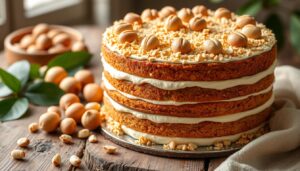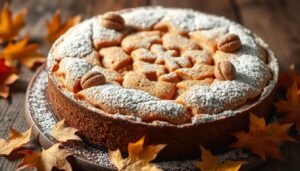
Imagine being in the kitchen, surrounded by the warm, inviting aroma of a cake baking. You’re excited to try a new recipe that’s both easy and delicious. As you measure out ingredients, you start to feel a sense of accomplishment.
From the moment you pour in the coconut flour, you know you’re creating something special. This coconut flour cake recipe is perfect for beginners. It lets you master the basics without feeling overwhelmed.
In this article, you’ll learn essential tools and tips. These will help your homemade coconut flour cake turn out moist and delightful. Whether it’s for a celebration or just for yourself, baking can be straightforward and rewarding.
By the end, you’ll have a delicious dessert and insights into coconut flour’s benefits. So, roll up your sleeves and get ready to dive into gluten-free coconut flour cake baking!
Key Takeaways
- This recipe is ideal for beginners looking to practice their baking skills.
- Coconut flour is a unique gluten-free ingredient that adds flavor and texture.
- You’ll learn essential techniques and tips for a successful cake.
- This easy coconut flour cake recipe can be made in either a single or two-layer version.
- Understanding the ingredients will enhance your baking experience.
Introduction to Coconut Flour Baking
Coconut flour has changed gluten-free baking. It absorbs moisture well because of its high fiber. This makes textures better and lets you try new recipes. You can make tasty desserts that fit special diets without losing flavor.
Coconut flour is great for those who want to avoid wheat flour. It’s flexible and can adjust moisture levels for the best results. It’s perfect for cakes, muffins, cookies, and even bread. Using coconut flour means you can bake healthier treats that you’ll love.

Using coconut flour in gluten-free baking opens up new possibilities. Knowing its special traits helps you make your recipes better. If you’re looking for gluten-free options, try making gluten-free sourdough bread. Explore the world of coconut flour and make delicious, healthy treats for everyone.
Why Choose Coconut Flour?
Coconut flour is a top choice for healthier baking alternatives. It’s perfect for making tasty, nutritious desserts. If you want a low-carb coconut cake, coconut flour is ideal. It’s high in fiber, which is good for your digestive health and keeps you feeling full.
This flour is also gluten-free and nut-free. It’s packed with protein, great for those on paleo or keto diets. Coconut flour has a low glycemic index, helping control blood sugar. Each slice has only 0.8g net carbs and 124 calories, perfect for health-focused bakers.
When baking with coconut flour, you need to adjust recipes. It absorbs more liquid than regular flour. Make sure to add enough moisture and eggs to keep your treats moist. Choosing a reliable brand like Bob’s Red Mill or Tropical Traditions helps get the best results.
Coconut flour can also be used in many recipes, making delicious dishes that fit your diet. It not only adds flavor but also supports a healthier lifestyle.

Benefits of a Gluten-Free Coconut Flour Cake
Baking with coconut flour has many benefits, especially for gluten-free cakes. It’s great for those with gluten intolerance or celiac disease. Coconut flour is gluten-free and high in fiber, helping with digestion and keeping you full.
Coconut flour cakes are also high in protein. They use more eggs, making the cake moist and protein-rich. It’s important to measure coconut flour correctly to get the right texture and flavor.
Gluten-free desserts don’t have to be dry. Coconut flour cakes are moist and delicious. This flour absorbs liquids well, making the cake satisfying to eat.
Remember, coconut flour can’t replace other flours without changes. Use recipes made for coconut flour for the best results. You can also make cupcakes by adjusting the size of the cake.

Choosing a gluten-free coconut flour cake is a tasty and healthy option. It’s perfect for those who want to enjoy a treat without compromising their health.
Ingredients for the Easy Coconut Flour Cake Recipe
When making your simple coconut flour cake, knowing the ingredients is key. This cake has a mix of ingredients that give it a special taste and texture. Each part is important for a perfect cake every time. Below, you’ll find a list of these ingredients and some coconut flour substitutes.
Essential Ingredients Overview
- Coconut flour: This main ingredient absorbs a lot of liquid, so measure it carefully to avoid dryness. Use 1/2 cup of sifted coconut flour for the right moisture.
- Eggs: Eight large eggs, separated, make the batter light and fluffy. Make sure all eggs are room temperature for best mixing.
- Coconut oil: Half a cup of softened coconut oil adds moisture and flavor to the cake.
- Sweetener: A third cup of allulose or white sugar sweetens the cake. You can adjust this to your taste.
- Baking powder: This helps the cake rise and gives it a light texture.
- Vanilla extract: A little vanilla extract adds depth to the flavor.
- Salt: A pinch of salt enhances the sweetness and makes the flavors more vibrant.
Recommended Substitutes
Need substitutes for coconut flour? Here are some options:
- Swap coconut oil with olive oil for a different taste.
- Try canned coconut cream instead of heavy cream for extra richness. Shake it well before using.
- For a different sweetener, use maple syrup or agave nectar.
Your coconut flour cake will be gluten-free and low in carbs. Bake it at 350°F (180°C) for 20-25 minutes. It serves eight and keeps well in an airtight container in the fridge.
Choosing the Right Tools for Baking
Using the right baking tools for coconut flour cake makes baking better. You need a few key tools for a smooth process.
First, get nonstick baking pans. They help your cake come out easily, especially with coconut flour. Measuring cups are also important. They help you get the right amount of coconut flour, which absorbs more than regular flour.
Mixing bowls are essential for mixing ingredients. You might need bigger ones for all the ingredients. An electric whisk makes mixing easier and helps your batter be fluffier. A rubber spatula is great for putting the mix into pans without losing any.
| Essential Tool | Purpose |
|---|---|
| Nonstick Baking Pans | Prevents sticking and makes cake removal easier |
| Measuring Cups | Ensures accurate ingredient proportions |
| Mixing Bowls | Combines ingredients effectively |
| Electric Whisk | Incorporates air for fluffiness |
| Rubber Spatula | Facilitates batter transfer |
Remember to store coconut flour well. Keep it in an airtight container in a cool, dark place. It lasts 6-12 months, which is good to know for future baking.
Having these essential baking tools will help you succeed. It makes baking with coconut flour fun and rewarding.
Step-by-Step Instructions for the Coconut Flour Cake Recipe
Making a moist coconut flour cake is fun. Follow the recipe carefully for a tasty treat. Start by getting your ingredients ready and knowing how to bake.
Prepping Your Ingredients
First, organize your ingredients. Coconut flour absorbs a lot, so measure carefully. You’ll need:
- 1 ½ cups of Wholesome Yum Coconut Flour
- ⅔ cup of cocoa powder
- 6 large eggs (about 50 grams each)
- ¾ cup of coconut oil
- 1 cup of coconut milk
- 1 cup of granulated sugar or Besti Monk Fruit Allulose Blend
- ½ teaspoon of kosher salt
- 1 tablespoon of baking powder
- 2 teaspoons of vanilla extract
Make sure butter and eggs are at room temperature, 68-72°F. This helps mix the batter well.
Baking the Cake to Perfection
Now, your ingredients are ready. Here’s how to bake:
- Preheat your oven to 350°F (176°C). Line two 9-inch pans with parchment paper.
- Cream butter and sugar until fluffy. This makes the cake moist.
- Beat in eggs one at a time. Make sure each egg is fully mixed before adding the next.
- Mix in coconut flour, cocoa powder, baking powder, and salt until smooth.
- Fold in coconut milk and coconut oil. Make sure it’s all mixed well.
- Divide the batter between the pans. Smooth the tops.
- Bake for 30-34 minutes. A toothpick should come out clean.
- Let the cakes cool in pans for 10 minutes. Then, cool them on wire racks.
This method makes a moist coconut flour cake. Enjoy it plain or with frosting.
| Ingredient | Measurement | Note |
|---|---|---|
| Coconut Flour | 1 ½ cups | High absorbency; measure precisely. |
| Cocoa Powder | ⅔ cup | For richness in flavor. |
| Eggs | 6 large | Provides necessary moisture. |
| Coconut Milk | 1 cup | Bring to room temperature. |
| Coconut Oil | ¾ cup | Melted; mix well into batter. |
Tips for Measuring Coconut Flour Accurately
Getting the right amount of coconut flour is key to great baking. Coconut flour soaks up a lot of liquid, so measuring it right is crucial.
- Use a kitchen scale to weigh your coconut flour. This method ensures precision, leading to better texture in your cake.
- When measuring by cups, spoon the flour into the measuring cup and level it off with a knife. Do not pack the flour down, as this can lead to excess amounts.
- Allow the batter to rest before baking. This pause helps the coconut flour absorb moisture and thicken, improving overall consistency.
- Mix the batter thoroughly to break up any clumps in the coconut flour, ensuring even moisture distribution.
By following these baking tips for coconut flour, you’ll get the best results. Recipes often need adjustments for moisture. Remember, coconut flour needs more liquid than other flours. Keep these tips in mind for a better baking experience and perfect results.
Common Mistakes to Avoid When Baking with Coconut Flour
Baking with coconut flour can be tricky. A big mistake is to use it in the same amount as other flours. This usually makes your baked goods too dry or crumbly. Instead, use much less coconut flour than other flours. For example, use ⅓ cup of coconut flour for every cup of almond flour.
Another mistake is not adding enough liquid. Coconut flour soaks up a lot of moisture. You might need to add more eggs to keep your cake moist and not too dense. If you don’t, your cake might not turn out right.
Don’t overlook the importance of flavor. Coconut flour has a mild taste. To make it stand out, add more spices or sweeteners to your recipe.
Choosing the right coconut flour brand is also key. Different brands absorb moisture differently. Try out brands like Bob’s Red Mill Organic Coconut Flour to find the best one for you.
Here’s a quick guide to help you avoid common mistakes:
| Common Mistake | Suggested Solution |
|---|---|
| Substituting coconut flour without adjustments | Use a ⅓ cup of coconut flour per cup of almond flour |
| Not using enough moisture | Add additional liquid and eggs (6-12 per recipe) |
| Insufficient flavor enhancement | Increase spices and sweeteners |
| Using low-quality coconut flour brands | Test different brands for better results |
| Lack of sieving the flour | Sift coconut flour before measuring |
By following these tips, you’ll find baking with coconut flour easier. Paying attention to these details will help make your coconut flour baked goods delicious every time.
Serving Suggestions for Your Coconut Flour Cake
Enjoying your coconut flour cake can be a delightful experience with various serving options available. When considering ways to serve coconut cake, think about pairing it with fresh fruits such as ripe berries or tropical slices like mango and pineapple. This enhances the cake’s flavors while adding a burst of color to your presentation.
Another wonderful idea for serving coconut flour cake is to accompany it with a dollop of whipped cream or a spoonful of coconut yogurt. These toppings not only complement the cake but also provide a silky texture that pairs beautifully with its light and fluffy crumb.
- Consider decorating the cake with a sprinkle of sweetened shredded coconut or mini chocolate chips for an inviting look.
- For a special occasion, present your cake on a beautiful platter, possibly garnished with edible flowers for a touch of elegance.
- If you plan on sharing your creation at a gathering, you might want to double the recipe for a larger cake, making it suitable for any celebration.
As for dessert suggestions for coconut cake, you might explore the addition of chocolate ganache or a fruit compote for added richness and flavor depth. These choices not only make your cake stand out but also cater to guests with various taste preferences.
Storing leftovers doesn’t have to be tricky. You can keep the cake in the refrigerator for up to five days or freeze individual slices for up to three months. This way, you can enjoy your delicious homemade dessert or bring it out for unexpected guests!
Alternatives for Frosting Your Cake
Choosing the right frosting can really elevate your coconut flour cake. There are many coconut flour cake frosting options that taste great and are good for you. By picking low-carb frosting alternatives, you can enjoy a sweet treat without feeling guilty.
Here are some ideas for healthy frosting options:
- Whipped Coconut Cream: This frosting is light and creamy, and it’s dairy-free.
- Nut-Based Frosting: Mixing cashews or almonds with a sweetener makes a rich, tasty frosting.
- Fruit Purees: Using pureed fruits like strawberries or raspberries adds natural sweetness and flavor.
- Avocado Chocolate Frosting: This frosting is smooth and chocolatey, and it pairs well with coconut flavors.
These healthy frosting ideas not only go well with the cake but also balance the flavors. Being creative with your frosting can make your baking more fun and rewarding. Remember, frosting is your chance to get creative, so try out different ingredients and flavors!
| Frosting Type | Key Ingredients | Benefits |
|---|---|---|
| Whipped Coconut Cream | Coconut cream, sweetener | Dairy-free, light texture |
| Nut-Based Frosting | Cashews, sweetener | Rich flavor, creamy |
| Fruit Purees | Strawberries, honey | Natural sweetness, refreshing |
| Avocado Chocolate Frosting | Avocado, cocoa powder | Decadent, healthy fats |
Conclusion
As we finish talking about the easy coconut flour cake, it’s clear it’s a hit. This gluten-free cake recipe is not only tasty but also healthier. It combines 1 cup of coconut flour, large eggs, and coconut milk for a moist cake.
By trying this recipe, you’ll enjoy making a homemade dessert that fits many diets. It’s a fun way to create something special for any event.
Now is the best time to start baking this cake. You can try making coconut flour muffins or other creative recipes. Remember, letting the dough rest is key for the best texture.
As you enjoy your homemade treat, share your baking stories with friends and family. It’s a great way to connect and inspire others.
If you’re looking for more baking ideas, there’s a lot out there to explore. You might find your next big baking project just waiting for you! Check out this coconut cake recipe to improve your baking skills.
F.A.Q
Can I substitute coconut flour with regular flour?
No, you shouldn’t swap coconut flour for regular flour. Coconut flour soaks up a lot of liquid. For a gluten-free option, look for other gluten-free flours.
How do I ensure my coconut flour cake is moist?
For a moist coconut flour cake, use the right mix of ingredients. Eggs and olive oil help keep it moist.
Is coconut flour cake suitable for paleo and keto diets?
Yes, coconut flour fits well in paleo and keto diets. It’s low in carbs and high in fiber, making it a healthy choice for desserts.
What are some good substitutes for sweeteners in this recipe?
You can use honey, agave syrup, or stevia for sweetness. Just remember, the amount needed might change based on the sweetener.
How can I tell when the cake is done baking?
The cake is ready when it’s golden brown and a toothpick comes out clean. If you press the top and it springs back, it’s done.
Can I store leftover coconut flour cake, and how?
Yes, store leftover cake in an airtight container at room temperature for up to three days. In the fridge, it lasts a week. Freeze slices for longer storage.
What are some creative toppings for my coconut flour cake?
Try fresh fruits, whipped coconut cream, or chocolate drizzle. You can also make frostings with natural sweeteners for a healthier option.
Why are gluten-free desserts sometimes considered dry?
Gluten-free desserts can be dry if they lack moisture or if the recipe is off. Coconut flour can be moist if you get the ingredient balance right.
How do I measure coconut flour accurately?
For best results, use a kitchen scale. If using cups, fill the cup with coconut flour and level it off with a knife. Avoid packing it down.
Can I use an electric mixer for this recipe?
Yes, an electric mixer can mix ingredients well and save time. It’s great for beating eggs and mixing the batter.