Are you tired of gluten-free tortillas that crumble and fall apart? What if you could make homemade tortillas that are soft, flexible, and delicious?
Creating the perfect gluten-free tortillas is a culinary adventure. This recipe will change how you make celiac-friendly tortillas that everyone will enjoy.
Imagine making your own gluten-free tortillas that are a tasty alternative to wheat tortillas. With a few simple ingredients and some expert tips, you’ll impress even the pickiest eaters.
Key Takeaways
- Master the art of gluten-free tortilla making
- Learn essential techniques for perfect texture
- Discover versatile ingredients for amazing results
- Create tortillas suitable for multiple dietary needs
- Save money by making tortillas at home
Why Make Your Own Gluten-Free Flour Tortillas
Making your own gluten-free tortillas is a fun adventure in the kitchen. It’s great for those with celiac disease or who want allergy-friendly options. It turns a simple recipe into a tasty journey.
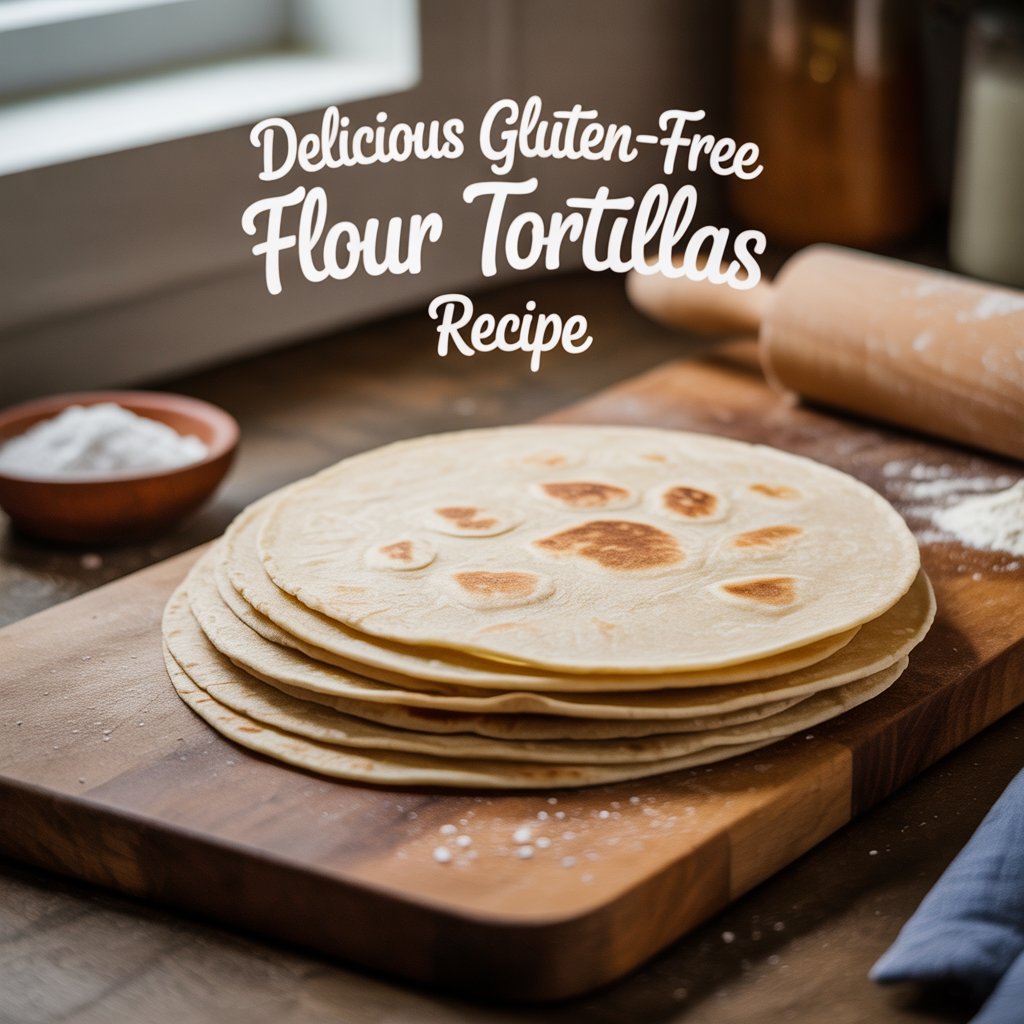
Benefits of Homemade vs Store-Bought
Homemade gluten-free tortillas beat store-bought ones in many ways. They taste fresher and feel better in your mouth. Plus, they don’t have the preservatives found in packaged foods.
- Complete control over ingredient quality
- Fresher taste and texture
- Elimination of unnecessary preservatives
- Personalized dietary adaptations
Cost-Effectiveness and Quality Control
Homemade tortillas are also a smart choice for your wallet. With just a few ingredients, you can make tasty, healthy wraps. They’re better for you and won’t break the bank.
| Ingredient | Quantity | Nutritional Impact |
|---|---|---|
| Gluten-Free Flour | 3 cups | 24g carbohydrates per serving |
| Oil | ⅓ cup | 11g fat per serving |
| Hot Water | 1¼ cups | Helps bind ingredients |
Customization Options
Homemade tortillas are super versatile. You can change their size and use different flours. This lets you make perfectly tailored wraps for your needs.
“Cooking is like painting or writing a song. Just as there are only so many notes or colors, there are only so many flavors—it’s how you combine them that sets you apart.” – Wolfgang Puck
Whether you’re on a celiac diet or just looking for allergy-friendly options, making your own tortillas is rewarding. It’s a delicious and empowering way to cook.
Essential Ingredients for Perfect Gluten-Free Tortillas
Making great gluten-free tortillas begins with picking the right ingredients. Your gluten-free flour blend is key. Experts say Better Batter gluten-free flour is the best for a real texture.
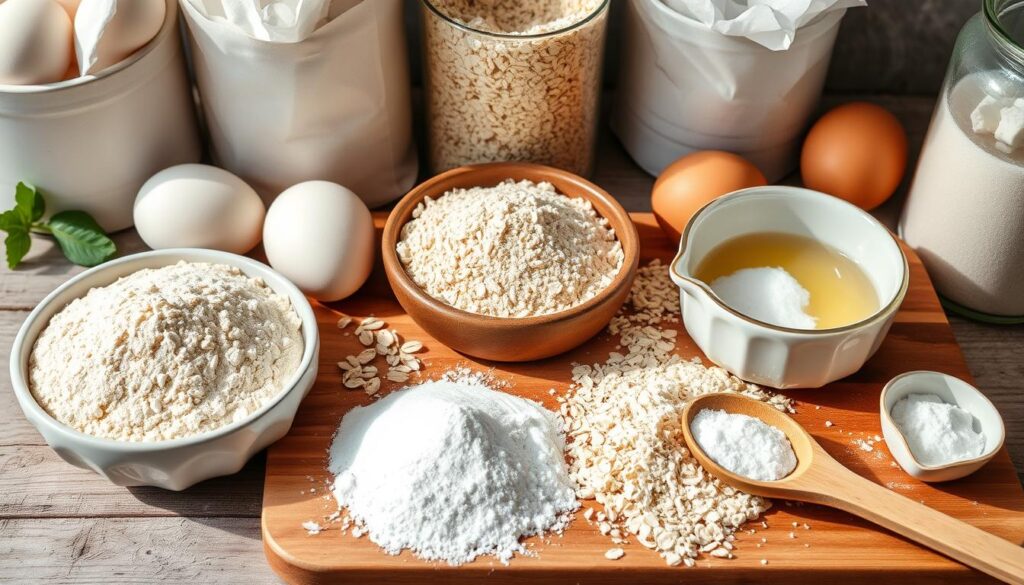
- Gluten-free flour blend (Better Batter recommended)
- Xanthan gum for binding
- Warm water (3/4 cup)
- Vegetable oil (2 tablespoons of canola oil)
- Salt for flavor
Nutrition experts have looked into these tortillas’ nutritional value. They found some interesting facts:
| Nutrient | Amount per Tortilla |
|---|---|
| Calories | 105 kcal |
| Carbohydrates | 16g |
| Protein | 2g |
| Fat | 4g |
The gluten-free baking ingredients are vital for making tortillas that are both flexible and tasty. Xanthan gum is especially important. It helps the tortillas stay together, preventing them from crumbling or breaking.
Pro tip: Choose a high-quality gluten-free flour blend that contains xanthan gum for best results.
When picking your ingredients, try out different gluten-free flour blends. Options include Bob’s Red Mill 1 to 1, King Arthur Measure for Measure, or Pillsbury gluten-free flour. Each brand has its own special qualities that can change how your tortillas turn out.
The Best Gluten-Free Flour Blends for Tortillas
Making tasty wheat-free tortilla dough begins with picking the right gluten-free flour blends. The flour you choose greatly affects the taste and texture of your homemade tortillas.
Top Commercial Gluten-Free Flour Blends
For perfect gluten-free flour tortillas, some commercial blends are top choices:
- Bob’s Red Mill 1-to-1 Baking Flour
- King Arthur Measure for Measure
- Better Batter Gluten-Free Blend
- Pillsbury Gluten-Free Flour
DIY Flour Blend Possibilities
Creating your own gluten-free flour blends lets you customize. A common homemade mix might include:
- Rice flour
- Potato starch
- Tapioca flour
- Cornstarch
Understanding Xanthan Gum’s Critical Role
Xanthan gum is key in wheat-free tortilla dough. This magical ingredient gives the dough elasticity and structure, like gluten does. Most gluten-free flour blends have xanthan gum. But, you might need more for the best tortilla flexibility.
| Flour Blend | Xanthan Gum Content | Recommended Additional Xanthan Gum |
|---|---|---|
| Bob’s Red Mill 1-to-1 | Included | Optional |
| King Arthur Measure for Measure | Included | Minimal |
| Homemade Blend | None | Recommended |
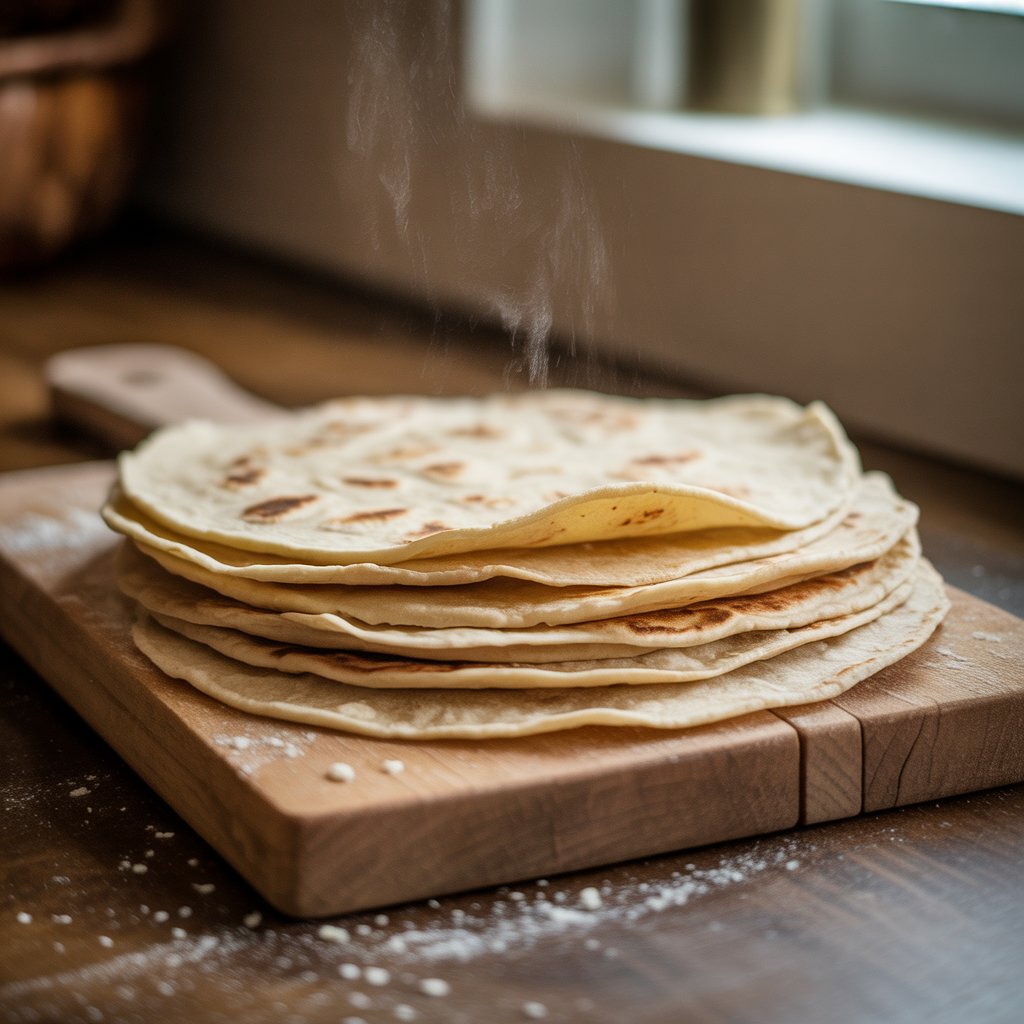
When picking your gluten-free flour blend, think about taste, texture, and ingredients. This ensures your tortillas are the most delicious they can be.
Kitchen Tools and Equipment Needed
To make tasty gluten-free flour tortillas, you’ll need some key kitchen tools. These tools will make cooking easier and more fun. You don’t need fancy equipment, but the right tools can really help.
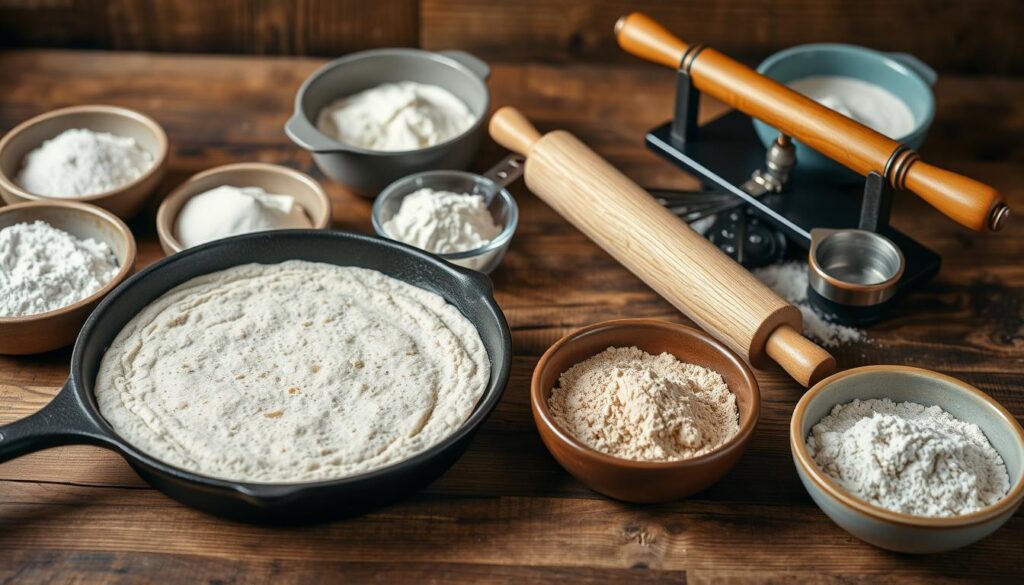
- Large mixing bowl for preparing the dough
- Precise measuring cups and spoons
- Rolling pin or tortilla press for shaping
- Parchment paper or plastic wrap
- Cast iron skillet or heavy-bottomed frying pan
A tortilla press is a big help for making tortillas at home. It’s not essential, but it makes thin, round tortillas easy to make. If you don’t have one, a rolling pin works great too.
“The right tools can transform your gluten-free tortilla from good to great!” – Gluten-Free Cooking Enthusiast
Your cast iron skillet is key for a golden-brown tortilla. It cooks the tortillas evenly, making them crispy.
Pro tip: A food processor can make mixing dough easier, but it’s not required. Mixing by hand works well too, with a bit of effort!
Step-by-Step Gluten Free Flour Tortillas Recipe
Making perfect homemade gluten-free tortillas needs care and patience. Your journey to making tasty flour tortillas without gluten begins with knowing the key techniques and ingredients.
Mixing the Perfect Dough
Start by picking the right flour blend. Use Bob’s Red Mill or King Arthur’s gluten-free flour for the best results. Here’s a simple way to do it:
- Combine 1.5 cups of gluten-free flour blend
- Add 1.5 tablespoons of lard or vegetable shortening
- Measure 0.75 teaspoons of salt
- Prepare 1/2 cup of warm water
Mastering the Dough Consistency
Knead the dough until it’s smooth and pliable. Texture is key – it should be soft but not sticky. If it’s too dry, add a little warm water.
Resting and Rolling Techniques
Let the dough rest for 30 minutes. This step helps the flour absorb liquid and makes the dough more elastic. When rolling, use parchment paper to avoid sticking and get even thickness.
“The secret to perfect gluten-free tortillas lies in patience and technique.” – Gluten-Free Cooking Expert
| Flour Brand | Vegan Option | Price Range |
|---|---|---|
| Bob’s Red Mill | Yes | $5-$7 per bag |
| King Arthur’s | Yes | $6-$8 per bag |
| Cup4Cup | No (Contains Milk) | $8-$10 per bag |
With practice, you’ll get better at making delicious gluten-free tortillas. They’ll be as good as store-bought ones. The prep time is 30 minutes, and cooking takes 10 minutes, making it a quick and rewarding recipe.
Tips for Achieving Perfect Texture and Flexibility
Making soft gluten-free tortillas needs precision and knowing key techniques. Your aim is to make pliable gluten-free wraps that are both flexible and tasty.
Learning to make gluten-free tortillas involves several important steps:
- Use warm water to hydrate flour blends quickly
- Give dough enough time to rest and develop
- Roll tortillas to a consistent, thin thickness
- Cook on a preheated medium-high heat skillet
Water temperature is key for soft gluten-free tortillas. Warm water makes ingredients work better, creating a dough that’s smooth and elastic. Try to keep water between 110°F to 115°F for the best results.
“The secret to pliable gluten-free wraps is patience and technique.” – Gluten-Free Baking Expert
Cooking technique is also very important. Heat your skillet for 5 minutes on medium-high. Cook each tortilla for about 60 seconds on each side. Look for small bubbles to know it’s cooked right. Don’t overcook, as it can make tortillas stiff and brittle.
- Watch for light golden-brown spots
- Remove from heat when slight bubbling occurs
- Wrap immediately in a kitchen towel to keep moisture in
With practice, you’ll make perfectly soft, flexible gluten-free tortillas that are just as good as traditional wheat ones.
Cooking Methods and Temperature Control
Mastering gluten-free tortillas needs precision and heat control. Cooking on the stovetop can be challenging. But, with the right techniques, you’ll make perfect tortillas every time.
Temperature control is key when cooking gluten-free tortillas. Use a preheated skillet or griddle at medium-high heat. Aim for even browning without burning.
Optimal Stovetop Techniques
- Preheat your skillet for 5 minutes before cooking
- Use a dry, non-stick surface
- Cook each side for 30-45 seconds
- Look for light brown spots as an indicator of doneness
Avoiding Common Cooking Mistakes
Many home cooks face challenges with gluten-free tortillas. Common mistakes include:
- Using too low heat – This results in dry, tough tortillas
- Overcooking, which makes tortillas stiff and brittle
- Not allowing proper resting time for the dough
“The secret to perfect gluten-free tortillas is patience and careful heat management.” – Professional Chef
Your goal is to make tortillas that are lightly spotted, flexible, and soft. Adjust the heat as needed. A well-seasoned cast-iron skillet is best for consistent results.
Pro Cooking Tips
For success with stovetop tortilla preparation, follow these expert tips:
- Keep tortillas warm by covering with a clean kitchen towel
- Work quickly to prevent overcooking
- Practice makes perfect – don’t get discouraged
Storage and Reheating Guidelines
Learning how to store gluten-free tortillas is key to having tasty wraps anytime. Keeping them fresh is all about the right storage. This helps keep their texture and taste just right.
Storage Methods
- Refrigerator Storage:
- Store in an airtight container
- Keep for up to 1 week when fully cooked
- Separate layers with parchment paper
- Freezer Storage:
- Ideal for long-term preservation
- Freeze for up to 3 months
- Wrap individually in parchment paper
Reheating Gluten-Free Wraps
Reheating gluten-free tortillas needs care to avoid them getting dry or hard. Here’s how to do it right:
| Reheating Method | Instructions | Time |
|---|---|---|
| Skillet | Warm on a dry skillet over medium heat | 15-20 seconds per side |
| Microwave | Place between damp paper towels | 15-20 seconds |
| Oven | Wrap in aluminum foil | 5-7 minutes at 350°F |
“The key to perfect reheated gluten-free tortillas is gentle heat and moisture control.” – Gluten-Free Cooking Expert
Remember, fresh tortillas taste the best. If you need to store them, cool them down first. This stops moisture from building up. Pro tip: Always label your stored tortillas with the date to track freshness!
Serving Suggestions and Recipe Ideas
Your gluten-free flour tortillas open up a world of culinary creativity. They transform simple ingredients into exciting meals. These versatile tortillas are perfect for exploring gluten-free Mexican cuisine with endless possibilities.
Delicious Mexican Dish Inspirations
Bring the flavors of authentic Mexican cuisine to your kitchen with these gluten-free wrap ideas. Create mouthwatering dishes that everyone can enjoy, regardless of dietary restrictions.
- Classic chicken or beef tacos
- Vegetarian black bean burritos
- Cheesy quesadillas with fresh salsa
- Sizzling vegetable fajitas
Creative Wrap Variations
Your gluten-free tortillas are not just for Mexican dishes. They’re incredibly versatile for various meal options.
| Meal Type | Wrap Idea |
|---|---|
| Breakfast | Scrambled egg and bacon wrap |
| Lunch | Chicken salad wrap |
| Dinner | Mediterranean-style veggie wrap |
| Dessert | Nutella and banana sweet wrap |
Pro tip: Experiment with different fillings and flavor combinations to keep your meals exciting and delicious!
With these gluten-free wrap ideas, you’ll never run out of meal inspiration. From traditional Mexican cuisine to innovative fusion dishes, your homemade tortillas are the perfect canvas for culinary creativity.
Troubleshooting Common Issues
Gluten-free baking can be tricky, especially with tortillas. Knowing the common problems helps make perfect gluten-free flour tortillas every time.
To fix tortilla dough, pay close attention to a few key things. Using volume measurements instead of weight is often better. Also, different gluten-free flours need different techniques.
“The secret to great gluten-free tortillas is patience and precision”
- Dough Too Dry: Add liquid a little at a time to get the right mix
- Sticky Dough: Sprinkle more gluten-free flour on your work surface
- Cracking Tortillas: Make sure the dough is well-hydrated and rested enough
- Tough Texture: Mix less and don’t overwork the dough
Xanthan gum is key in gluten-free baking. It helps ingredients stick together and gives structure, like gluten does. Start with a small amount of gluten-free flour blend and adjust as needed.
| Issue | Potential Solution |
|---|---|
| Stiff Tortillas | Add more liquid or fat |
| Uneven Cooking | Check the pan’s temperature and use even heat |
| Poor Rollability | Let the dough rest longer before rolling |
Pro tip: Always use fresh ingredients, especially xanthan gum and leavening agents, for the best gluten-free tortillas.
Dietary Variations and Substitutions
Creating vegan gluten-free tortillas opens up a world of culinary possibilities. It’s great for those with dietary restrictions. You can make delicious tortilla wraps that fit your nutritional needs.
When making grain-free tortilla wraps, consider these flour alternatives:
- Cassava flour: Creates soft, pliable tortillas
- Almond flour: Adds nutty flavor and protein
- Coconut flour: Provides unique texture and slight sweetness
- Tapioca starch: Helps improve elasticity
For vegan gluten-free tortillas, use plant-based fats instead of animal-based ones:
| Traditional Fat | Vegan Replacement |
|---|---|
| Lard | Coconut oil |
| Butter | Olive oil |
| Shortening | Avocado oil |
Expert tip: When using alternative flours, adjust liquid ratios carefully. Grain-free tortilla wraps might need more moisture for the right consistency.
“The key to perfect gluten-free tortillas is understanding how different flours behave.” – Gluten-Free Baking Experts
Always check ingredient labels to avoid hidden allergens. Some gluten-free flour blends might contain corn or other potential triggers. With a bit of creativity and experimentation, your homemade vegan gluten-free tortillas can meet almost any dietary requirement.
Conclusion
Making homemade gluten-free tortillas is more than a skill. It’s a chance to make your kitchen a place of tasty innovation. You can create soft, flexible tortillas that are good for you and taste great.
Try different gluten-free flour mixes and work on your technique. This way, you’ll find a recipe that you love. Making tortillas becomes a fun art, where you learn about dough, heat, and ingredients.
Don’t worry if your first tortillas aren’t perfect. Every try gets you closer to making amazing tortillas at home. Keep trying, share your food with others, and feel proud of your new skill.
With your new skills, you can make delicious meals and control what goes into them. Enjoy your journey in the kitchen.
F.A.Q
What gluten-free flour blend works best for tortillas?
For tortillas, try Better Batter, Bob’s Red Mill 1-to-1, King Arthur Measure for Measure, or Pillsbury gluten-free flour. These blends have rice flour, potato starch, and xanthan gum. They help make the tortillas elastic.
How long can I store homemade gluten-free flour tortillas?
Store cooled tortillas in an airtight container in the fridge for up to a week. For longer, freeze them with parchment paper between each tortilla. They can last up to 3 months. Reheat in a dry skillet or microwave with damp paper towels.
Can I make these tortillas vegan?
Yes! Use plant-based oils instead of lard or butter. The recipe is already free from dairy and eggs. This makes it vegan-friendly for many diets.
Why do my gluten-free tortillas crack or break?
Cracking can happen for a few reasons. It might be because of too little liquid, not enough resting time, or rolling them too thin. Use warm water, rest the dough for 30 minutes, and roll them evenly.
Can I make these tortillas grain-free?
You can try using almond flour or coconut flour. But, these might need different liquid ratios and handling. Adjust the recipe and expect changes in texture and flexibility.
What tools do I need to make gluten-free flour tortillas?
You’ll need a large mixing bowl, measuring cups and spoons, a rolling pin or tortilla press, and parchment paper or plastic wrap. Also, a cast iron skillet or heavy-bottomed frying pan is essential. A tortilla press is helpful but not necessary.
How do I keep my tortillas soft and flexible?
Mix with warm water, let it rest, and cook on medium-high heat. Wrap them in a towel after cooking to keep them warm and soft. Avoid overcooking to prevent stiffness.
Are these tortillas suitable for people with celiac disease?
Yes, these tortillas are safe for those with celiac disease or gluten intolerance. Use a certified gluten-free flour blend and prepare in a gluten-free kitchen. Always check the flour blend’s label for gluten-free certification.