Ever wondered about a treat that takes you to Japan? Dorayaki, a traditional Japanese pancake, is a culinary journey. It mixes simplicity with amazing flavors.
This recipe turns simple ingredients into a sweet treat loved by many. Dorayaki is more than a dessert. It’s a cultural experience with two fluffy honey pancakes and sweet azuki bean paste in the middle.
Dorayaki comes from Japanese cuisine and is loved by all ages. It’s a treat that brings people together. Whether you’re an experienced baker or just starting, making dorayaki is an adventure.
Key Takeaways
- Discover the authentic Japanese pancake recipe that’s both simple and delicious
- Learn the cultural significance of dorayaki in Japanese cuisine
- Understand the unique combination of honey pancakes and sweet bean paste
- Explore a traditional confection that’s both visually appealing and flavorful
- Master the art of creating perfect dorayaki at home
Introduction to Dorayaki: A Beloved Japanese Sweet

Dorayaki is a traditional dessert loved by many in Japan. It was first made in 1914 at Usagiya in Ueno, Tokyo. This wagashi dessert has become a symbol of Japanese culinary traditions.
Cultural Significance in Japanese Cuisine
Dorayaki has a long history, dating back to the Edo period (1603-1868). It shows the art of Japanese confectionery. This dessert is known for its delicate flavors and careful making, just like Japanese cuisine.
- Historically significant for over 150 years
- Represents the refined art of wagashi dessert making
- Typically prepared with classic ingredients like red bean paste (anko)
The Doraemon Connection
Dorayaki is also famous thanks to Doraemon, a beloved anime character. Doraemon loves these sweet pancakes. This made dorayaki a cultural symbol loved by many.
“Mountains of dorayaki” became a catchphrase that epitomizes the character’s love for this delightful dessert.
Traditional vs Modern Variations
Dorayaki has stayed true to its roots but also welcomes new flavors. You can find seasonal flavors like sakura and chestnut. This shows how the dessert can adapt to new tastes.
| Traditional Dorayaki | Modern Variations |
|---|---|
| Classic red bean paste filling | Seasonal flavors (sakura, chestnut) |
| Standard pancake size (3-4 inches) | Mini and jumbo size options |
| Handmade preparation | Machine-assisted cooking techniques |
Dorayaki is loved by all, whether you prefer the traditional or modern versions. Its rich history and sweet taste make it a favorite among dessert lovers.
Essential Ingredients for Perfect Dorayaki Recipe
To make authentic dorayaki, you need the right ingredients. They bring together the flavors of Japanese cuisine. Start by understanding each ingredient’s role in making these tasty pancakes.
Dorayaki’s success comes from its key ingredients. Each one is important for the pancake’s texture and taste. Here’s what you need:
- Eggs (4 large): The main binder for structure
- Sugar (2/3 cup): Adds sweetness and a golden color
- Honey (2 tablespoons): Brings a rich flavor to the sponge
- All-purpose flour (1 cup): The base for the pancake
- Baking powder (1 teaspoon): For a light, airy texture
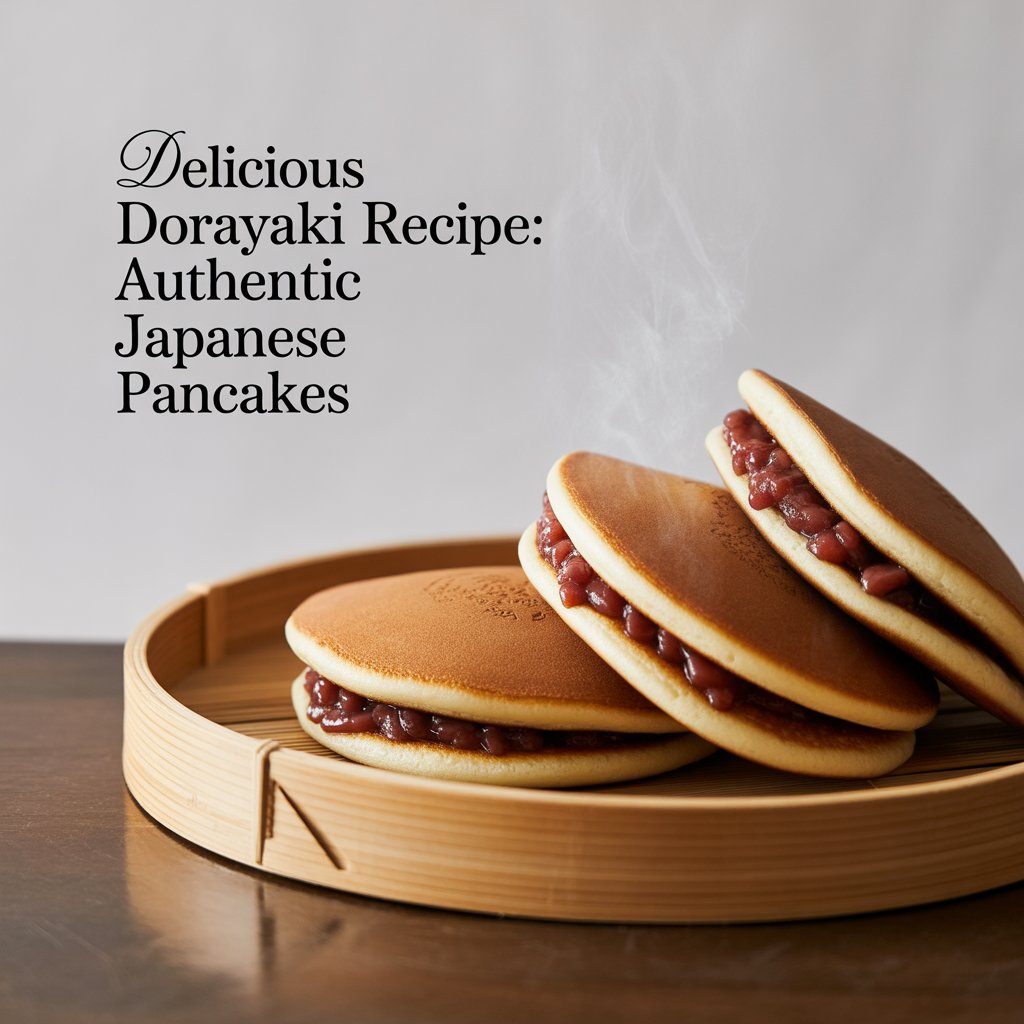
For the anko filling, choose high-quality azuki beans or make traditional red bean paste. The authentic recipe suggests using a full can of sweetened red bean paste. This makes enough filling for about 14 dorayaki.
“The secret to perfect dorayaki lies not just in the ingredients, but in the passion you bring to preparing them.” – Japanese Culinary Tradition
Pro tip: Make your batter a bit thicker than regular pancake batter. This will give your dorayaki the fluffy texture they’re known for. Add 1-2 tablespoons of water to get the right consistency.
Kitchen Tools and Equipment Needed
To make perfect dorayaki, you need special kitchen tools. These tools help turn your pancake batter into something amazing. The right equipment makes cooking these Japanese treats a breeze, ensuring great results every time.

Traditional Cooking Approaches vs Modern Techniques
Making dorayaki combines old-fashioned steaming with new cooking methods. Traditional Japanese kitchens use cast-iron skillets. But, modern cooks can get great results with non-stick pans.
- Cast-iron skillets for traditional cooking
- Non-stick frying pans for easier preparation
- Electric griddles with temperature control
Selecting the Perfect Pan
The pan you choose greatly affects your dorayaki’s texture. A high-quality non-stick surface helps prevent sticking and ensures a golden color.
| Pan Type | Heat Distribution | Recommended Use |
|---|---|---|
| Cast-Iron Skillet | Excellent | Traditional Cooking |
| Non-Stick Pan | Good | Home Cooking |
| Electric Griddle | Consistent | Precise Temperature Control |
Temperature Control Essentials
Keeping the heat steady is key when making dorayaki. Get digital thermometers and heat sources that can be adjusted. This prevents burning and ensures your pancakes are perfectly cooked.
“The secret to perfect dorayaki lies in mastering temperature control.” – Japanese Culinary Experts
With these tools and methods, you’re ready to make authentic, tasty dorayaki. These treats truly capture the spirit of Japanese sweets.
Making the Perfect Honey Castella Pancakes
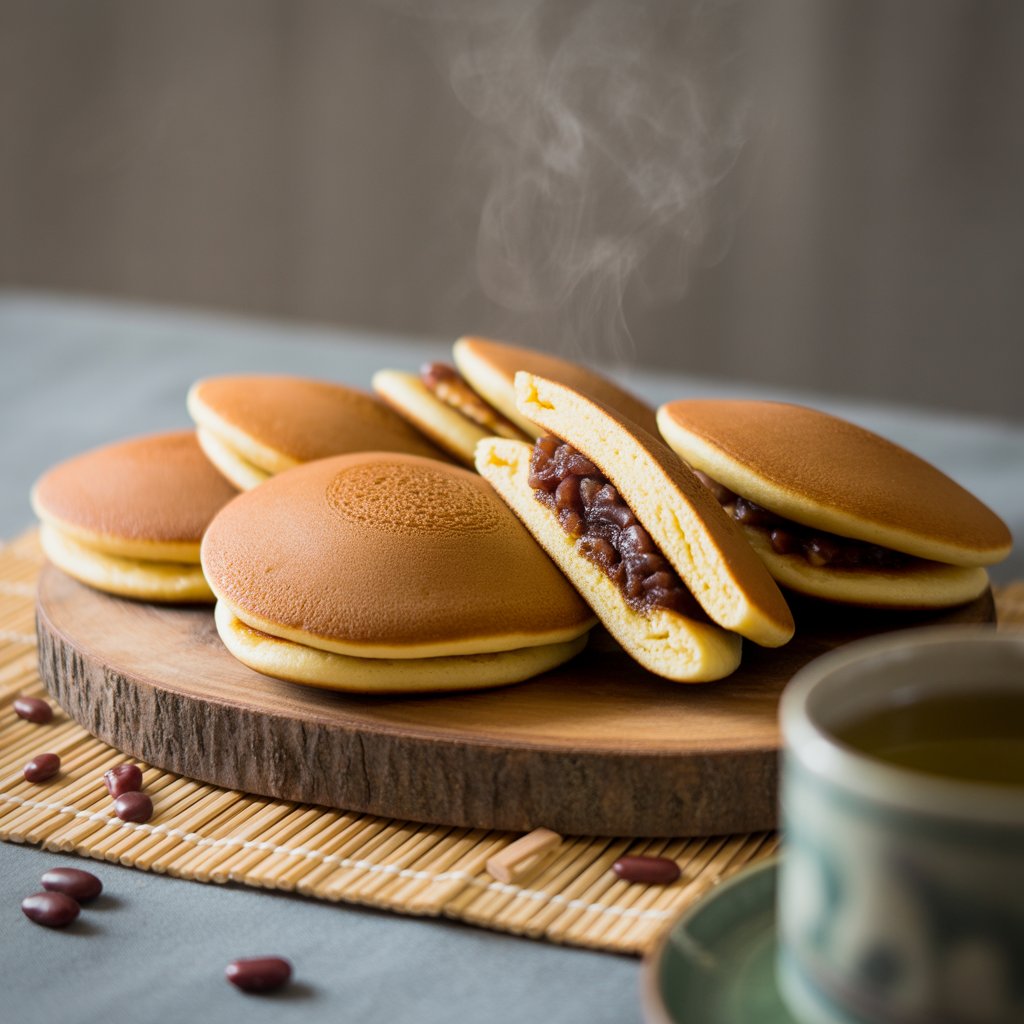
Making authentic Japanese pancakes needs precision and care. The honey castella pancakes are key to delicious dorayaki. They require special attention to ingredients and technique.
Your honey Japanese pancakes start with the right ingredients. Here’s what you’ll need:
- Large egg (60-65 gm): 1
- Cake flour: ¾ cup
- Honey: 2 tbsp
- White sugar: 1 tbsp
- Full fat milk: ⅓ cup
- Vegetable oil: 2 tbsp
- Vanilla extract: 1 tsp
- Baking powder: 1/3 tbsp
The secret to perfect Japanese pancakes is in batter preparation. First, mix dry ingredients. Then, add wet ingredients slowly. The goal is a smooth, lump-free batter.
“The art of dorayaki is in the details of batter mixing and cooking technique.” – Traditional Japanese Pastry Chef
Resting the batter is key. Let it sit for 15-20 minutes. This helps the batter develop texture and ensures your pancakes are light and fluffy.
When cooking, use a non-stick pan and keep the heat low. Pour about 1 tablespoon of batter for each pancake. Cook until bubbles appear, then flip gently. Look for a golden-brown color to know they’re done.
You’ll get about 8-12 pancakes. These are perfect for making 4-6 delightful dorayaki sandwiches.
Creating Sweet Anko Filling From Scratch
Explore the world of Japanese confection by learning to make red bean paste, or anko. This traditional filling is key to many Japanese desserts, like dorayaki. Whether you cook at home or love trying new recipes, making anko from scratch will improve your Japanese cooking.
Understanding Red Bean Paste Varieties
Red bean paste has two main types: tsubuan and koshian. Tsubuan has visible bean pieces and a rough texture. Koshian is smooth and fine. For dorayaki, tsubuan is usually chosen for its strong taste and true look.
Cooking and Sweetening Methods
- Choose high-quality azuki beans for the best taste
- Soak beans overnight to cook them faster
- Use sugar and sometimes a bit of salt
- Adjust the sweetness to your liking
Storage Tips for Anko
Keep your homemade red bean paste fresh by storing it right. Put it in an airtight container in the fridge for up to a week. To keep it longer, freeze it in small parts. This way, you can enjoy your Japanese treat whenever you want.
*”The secret to great anko is patience and attention to detail.”*
Making anko from scratch might seem hard, but with practice, you’ll get better. Your homemade tsubuan will add a real touch to your dorayaki and other Japanese sweets.
Step-by-Step Assembly Instructions
Making wagashi like dorayaki needs precision and care. It’s a simple process that turns pancakes and red bean paste into a tasty Japanese dessert.
Start by getting your ingredients ready. Your dorayaki pancakes should be about 8 cm in diameter. Each pancake needs about 2 tablespoons of anko (red bean paste).
- Cool pancakes completely before assembly
- Spread red bean paste evenly on one pancake
- Gently place second pancake on top
- Press edges lightly to seal
When spreading the anko, aim for an even distribution. Make sure it covers the whole surface without too much. This balance ensures each bite is just right.
Pro tip: Use a small spatula or back of a spoon to spread the red bean paste smoothly and consistently.
| Assembly Component | Recommended Quantity |
|---|---|
| Red Bean Paste per Pancake | 2 tablespoons |
| Total Red Bean Paste | 300 g |
| Pancake Diameter | 8 cm |
To look great, make sure your dorayaki edges are sealed well. The filling should peek a bit from between the pancakes. This makes your homemade wagashi look like traditional Japanese street food.
Common Mistakes to Avoid
Making perfect dorayaki needs care and detail. This Japanese treat can be hard for home bakers. Knowing common mistakes helps make tasty pancake batter for real dorayaki.
Batter Consistency Challenges
Getting the batter right is key for dorayaki. Here are mistakes to avoid:
- Don’t overmix the batter to avoid tough pancakes
- Use the right flour-to-liquid ratio
- Sift dry ingredients well
Temperature Control Techniques
Controlling temperature is important. Here’s what you should know:
| Temperature Issue | Solution |
|---|---|
| Uneven heating | Use low heat (electric hob level 2/6) |
| Oil spotting | Keep oil at 100°C (212°F) |
| Pancake burning | Look for dry sides and air bubbles |
Assembly and Filling Strategies
The final steps are crucial. Precision is key for these treats:
- Don’t overfill with anko (red bean paste)
- Seal pancake edges well
- Keep a 4:1 ratio for fillings
“Perfection in dorayaki comes from patience and practice” – Japanese Culinary Tradition
Knowing these challenges helps make authentic, tasty dorayaki. It honors Japan’s traditional confectionery.
Storage and Shelf Life Guidelines
Keeping your homemade okashi snack fresh is key. Dorayaki needs careful storage to keep its texture and taste great. Here’s how to keep these traditional Japanese pancakes fresh.
- Room temperature storage: Keep in a sealed container for 1-3 days
- Freezer storage: Wrap individually in cling film and store up to 1 month
- Refrigeration: Not recommended as it can dry out the pancakes
For the best storage, follow these tips from Japanese culinary experts.
| Storage Method | Duration | Recommended Technique |
|---|---|---|
| Counter | 1-3 days | Airtight container |
| Freezer | Up to 1 month | Individual plastic wrap |
Pro tip: Before serving frozen dorayaki, let them thaw at room temperature for the best texture. You can briefly warm them in a microwave for 10-15 seconds to restore their soft, fresh feel.
“Proper storage is the secret to enjoying dorayaki at its best” – Japanese Culinary Tradition
When making dorayaki as a snack, always check for spoilage signs. Your homemade dorayaki needs careful handling to keep its authentic Japanese flavor.
Variations and Modern Twists
Dorayaki has grown beyond its roots in Tokyo street food. Today, chefs and home bakers are making it new with creative fillings and techniques. They’re pushing the limits of what’s possible in cooking.
The traditional red bean paste filling is now just one of many options. You can try unique flavor mixes that change the classic treat:
- Matcha cream with white chocolate
- Seasonal fruit preserves
- Rich chocolate ganache
- Silky custard cream
- Chestnut paste
Modern dorayaki makers are also trying new things with the pancake batter. Innovative bakers add matcha powder to make green pancakes. These pancakes look great and taste unique.
“Tradition meets innovation in every bite of modern dorayaki” – Tokyo Culinary Institute
Seasonal dorayaki is also a hit. In summer, you might find pancakes with yuzu, a citrusy flavor. Autumn brings chestnut and sweet potato fillings. Winter versions are richer, with chocolate and mochi.
Dorayaki’s evolution shows Japan’s love for creative cooking. It’s turned a beloved wagashi into a dessert loved worldwide. Yet, it still keeps its cultural roots.
Health and Nutritional Information
Dorayaki is a sweet treat loved in Japanese cuisine. It’s more than just a dessert. Knowing its nutritional value helps you make better food choices while enjoying it.
Caloric Content and Macronutrients
Each dorayaki pancake has about 180-220 calories. It gets most of its calories from sugar and carbs. The mix of eggs, flour, and azuki beans makes it a nutritious treat.
| Nutrient | Amount per Serving |
|---|---|
| Total Calories | 180-220 |
| Carbohydrates | 30-35g |
| Protein | 4-6g |
| Fat | 5-7g |
Dietary Considerations
Dorayaki can be made for different diets. You can make a gluten-free version with special flours. Or, try vegan options that keep the real taste.
- Gluten-free options available
- Can be modified for vegan diets
- Low in saturated fats
Traditional Health Benefits of Azuki Beans
Azuki beans in dorayaki are very healthy. They’re full of fiber and plant-based protein. These beans help with digestion and give lasting energy. In Japanese nutrition, azuki beans are seen as a mineral and antioxidant powerhouse.
“Azuki beans are not just a filling, they’re a nutritional treasure.” – Japanese Nutritionist
Enjoying this traditional dessert in moderation is important. Dorayaki is tasty, but it should be part of a balanced diet.
Conclusion
Your journey through the dorayaki recipe shows the deep cultural roots of this Japanese treat. It goes back to the Edo period and has evolved over time. Dorayaki is more than a dessert; it’s a journey through Japanese culinary history.
Making dorayaki at home lets you be creative. You can use traditional red bean paste or try new flavors like matcha or chocolate. This recipe connects you to centuries of Japanese cooking.
Every bite of dorayaki shares a story of Japanese culture. It’s linked to samurai legends and even Doraemon. By making this recipe, you’re keeping a part of Japanese culinary art alive. You can try different fillings and flavors, making each batch special.
Your journey with dorayaki doesn’t stop here. This recipe opens the door to more Japanese desserts and cooking traditions. Experiment, enjoy, and cherish the cultural heritage in every homemade dorayaki.
F.A.Q
What is dorayaki?
Dorayaki is a traditional Japanese sweet. It has two honey-flavored pancakes with a sweet red bean paste filling. It’s a favorite in Japanese cuisine and pop culture.
Is dorayaki difficult to make at home?
Making dorayaki at home is possible with practice. You need to get the pancake batter right and cook them until golden. A detailed recipe and focus on technique will help you make authentic dorayaki.
Can I use a different filling instead of red bean paste?
Yes! You can try different fillings like chocolate, matcha, custard, or fruit jams. This way, you can make dorayaki your own while keeping the classic pancake structure.
How long do dorayaki stay fresh?
Dorayaki stay fresh for 2-3 days at room temperature in an airtight container. They can last up to a week in the fridge. For longer storage, freeze them for up to a month, making sure they’re wrapped tightly.
Are dorayaki gluten-free or vegan?
Traditional dorayaki are not gluten-free or vegan because they have wheat flour and eggs. But, you can make gluten-free and vegan versions using substitutes. This way, people with dietary restrictions can enjoy dorayaki too.
What’s the connection between dorayaki and Doraemon?
Doraemon loves dorayaki, making it even more popular. This connection has made dorayaki a favorite among kids and anime fans. Doraemon’s love for dorayaki has made it a symbol in Japanese culture.
Can I make dorayaki without special Japanese ingredients?
Yes, you can make dorayaki with substitutes. Regular honey and canned red bean paste can replace Japanese ingredients. The goal is to keep the flavor and texture of the traditional recipe.
What makes dorayaki different from regular pancakes?
Dorayaki are thicker, sweeter, and have a filling. They use honey for flavor and color. Unlike Western pancakes, they’re denser and served as a sweet treat.